AnnaMaria
-
Environment: You stayed in an older apartment with a well-used mattress. Bed bugs are small and love hiding in mattress seams, headboards, and furniture cracks.
-
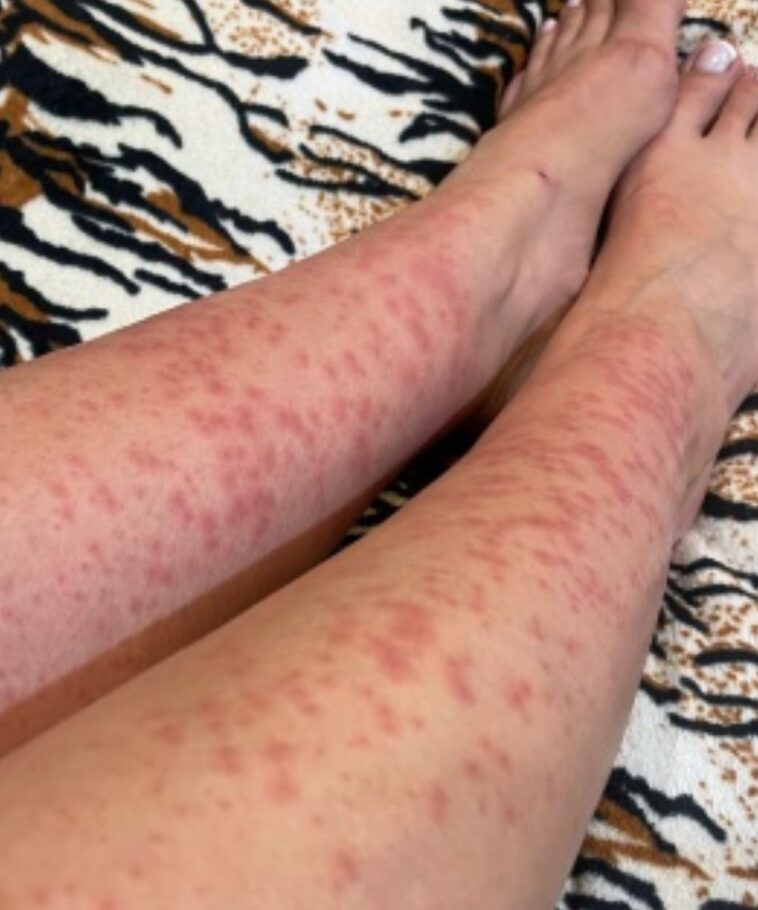
Appearance: Red, itchy bumps on exposed areas like legs and back match typical bed bug bite patterns.
-
Timing: Bed bug bites can appear hours or even days after the initial bite, which explains the delayed irritation.
-
Persistence: Sunlight on the mattress won’t fully remove bed bugs if they’ve spread into other areas like crevices, furniture, or even baseboards.
Immediate actions you can take
-
Inspect the apartment:
-
Check mattress seams, under the mattress, bed frame, headboard, furniture joints, and baseboards for small reddish-brown bugs, tiny white eggs, or black specks (fecal matter).
-
-
Containment:
-
Keep your clothes in sealed plastic bags until you wash them in hot water and high-heat drying.
-
-
Bedding:
-
Wash all sheets, blankets, pillowcases, and towels in hot water and dry on the highest heat setting.
-
-
Vacuum thoroughly:
-
Floors, mattress seams, baseboards, and furniture. Dispose of vacuum bags outside immediately.
-
-
Topical relief:
-
Use antihistamine creams or oral antihistamines to reduce itching. Avoid scratching, which can lead to infection.
-
When to see a doctor
-
If bites worsen or show signs of infection (pus, spreading redness, warmth).
-
If you have a severe allergic reaction, including swelling, dizziness, or difficulty breathing (rare but serious).
Preventing future infestations
-
Inspect any new or used furniture before bringing it home.
-
Keep luggage off beds or floors when traveling.
-
Consider professional pest control if an infestation is confirmed—bed bugs are notoriously difficult to eradicate with DIY measures alone.