AnnaMaria
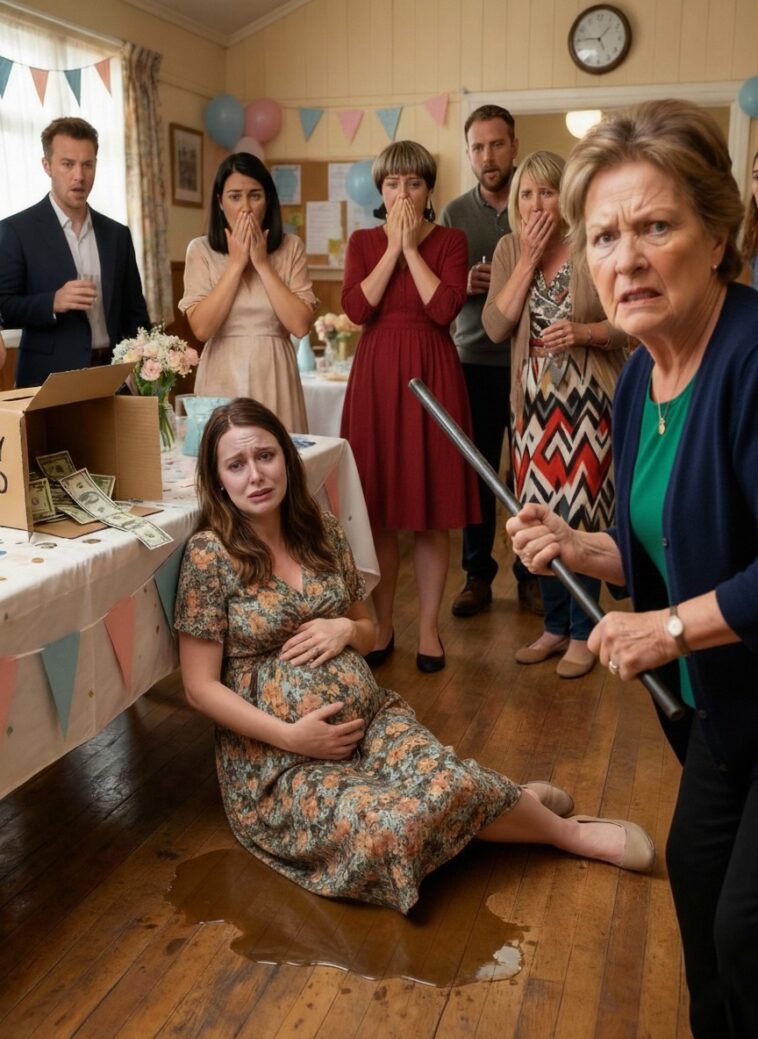
At eight months pregnant, I believed my baby shower would be a brief pause from the stress of high-risk pregnancy care, mounting medical bills, and constant doctor visits.
Instead, it became the day that permanently changed my understanding of family, safety, and survival. What began as an act of love from friends ended in emergency medical intervention, criminal charges, and a reckoning I never imagined would involve my own mother.
This is not just a story about betrayal. It is about health, legal accountability, financial boundaries, and the long-term consequences of untreated family violence.
A Pregnancy Marked by Medical Risk and Financial Strain
By the time I reached my eighth month of pregnancy, my body was exhausted. My pregnancy had been classified as medically high-risk, which meant:
-
Frequent prenatal appointments
-
Specialized ultrasounds and monitoring
-
Rising out-of-pocket healthcare costs not fully covered by insurance
-
Constant anxiety about complications
Even with health insurance, deductibles, co-pays, medications, and transportation costs added up quickly. Like many expectant parents, my husband and I were learning firsthand how medical expenses can spiral despite coverage.
My friends knew this. What I didn’t know was that they had quietly planned something extraordinary.
The Baby Shower and an Unexpected Act of Solidarity
The baby shower took place on a Saturday afternoon at a community hall in the Lavapiés neighborhood. The room was warm, bright, and filled with familiar faces—Laura, Inés, Marta, Sofía, and others who had stood beside me through years of life’s milestones.
I was tired but happy. Eight months pregnant, swollen feet hidden under a long dress, I felt surrounded by safety for the first time in months.
Toward the end of the afternoon, my friends gathered everyone’s attention. They rolled out a small decorated table and revealed a donation box I hadn’t noticed before.
They explained gently that they had organized a fundraiser to help with prenatal care, delivery costs, and postnatal medical needs.
When the money was counted aloud, the room went silent.
$47,000.
I covered my mouth and cried. I had never experienced generosity like that. It wasn’t just financial support—it was emotional relief, validation, and hope.
That was the moment everything fractured.
My Mother’s Reaction and the Shift in the Room
My mother, Carmen, had been sitting quietly in the corner all afternoon. She complained about the noise, criticized the decorations, and made small remarks meant to remind everyone she disapproved of attention not centered on her.
When she heard the total amount, her expression changed completely.
Her eyes locked onto the donation box with an intensity that made my stomach tighten. She stood abruptly, walked straight toward the table, and reached for the box without saying a word, trying to shove it into her purse.
Instinct took over. I stepped in front of her.
“Mom, that money is for my medical expenses,” I said, forcing calm into my voice.
She looked at me with open contempt.
“You’re my daughter,” she snapped. “What’s yours is mine.”
My friends moved closer. The room went silent. The air felt thick, dangerous.
The Moment That Became a Crime Scene
What happened next unfolded in seconds.
Carmen glanced around, then grabbed a heavy iron bar that was part of a decorative stand near the wall. No one had time to react.
The impact to my belly was immediate and devastating.
I felt a sharp, explosive pain that knocked the air out of my lungs. The room spun. I heard screaming—my friends, someone shouting my name—but it sounded distant, distorted.
Then I felt warmth spreading beneath me.
My water broke instantly.
Panic erupted. I couldn’t stay on my feet. Laura called emergency services. Inés collapsed into sobs. Someone shouted for towels.
The pain was overwhelming. Before I lost consciousness, I saw my mother stepping backward, pale and frozen, as if she had only just realized the magnitude of what she’d done.
Emergency Medical Care and a Fight for Survival
I woke up under harsh white hospital lights, surrounded by the constant beeping of machines. My husband, Javier, sat beside me, his face drawn and eyes red from crying.
The first words I managed to whisper were, “The baby?”
The silence that followed told me everything before anyone spoke.
A doctor explained that I had suffered a partial placental abruption, a serious obstetric emergency often caused by blunt trauma. An emergency cesarean section had been performed to save my child.
Our son, Daniel, was born prematurely and transferred immediately to the neonatal intensive care unit (NICU).
He weighed just over 3 pounds (1.4 kg). His body was fragile, covered in tubes and wires. Each breath was assisted. Each hour was uncertain.
Medical Documentation and Legal Reality
The hospital staff did not treat this as an accident.
The injury was clearly documented as assault-related trauma during pregnancy, triggering mandatory reporting procedures. From my hospital bed, police officers took my statement.
My friends provided witness accounts. Several had recorded videos during the baby shower, capturing the moments before and after the assault.
That night, Carmen was arrested.
Even with the evidence, my mind struggled to accept it. This was my mother.
But as I lay there, listening to machines keep my son alive, I was forced to confront a truth I had avoided my entire life.
A Lifetime of Normalized Abuse Comes Into Focus
Growing up, money was always a weapon in my mother’s hands. Control was her language. Manipulation was routine.
I had learned to excuse it.
“She’s just stressed.”
“She doesn’t mean it.”
“That’s how she shows love.”
But abuse doesn’t always look like bruises. Sometimes it looks like entitlement, financial coercion, and emotional domination that escalates when boundaries are enforced.
This time, it escalated into violence with life-altering consequences.
Financial Survival and Community Support
As Daniel remained in the NICU, medical bills grew rapidly:
-
Extended hospitalization
-
Specialized neonatal care
-
Medications and monitoring
-
Transportation and lodging near the hospital
The $47,000 my friends had raised became a literal lifeline. Every dollar went toward healthcare expenses, insurance gaps, and recovery support.
The community rallied. Neighbors I barely knew sent meals, messages, and offers of help. It reminded me that chosen family often steps in when biological family fails.
Holding My Son and Choosing Protection
Weeks later, Daniel stabilized enough for me to hold him.
When I cradled his tiny body against my chest for the first time, something inside me shifted permanently. Fear gave way to resolve.
I knew then that my responsibility was clear.
With legal counsel, I filed for a permanent restraining order. I prepared myself for a trial I never wanted but knew was necessary.
Protecting my child meant confronting the truth—fully and without excuses.
The Trial and Legal Accountability
The trial was painful.
Carmen attempted to justify her actions. She spoke of stress, misunderstandings, even suggested I had “provoked” her. These defenses collapsed under the weight of evidence.
Medical reports. Witness testimony. Video recordings.
The judge delivered a conviction for aggravated assault and confirmed a permanent restraining order.
I felt grief—but also peace.
Justice doesn’t erase trauma, but it creates safety.
Life After the Hospital and Redefining Family
When we finally brought Daniel home, I was not the same woman who had entered the hospital.
I had lost illusions but gained clarity.
Today, Daniel is two years old. He runs, laughs, and explores the world with curiosity and joy. Every time I watch him play, I remember how close we came to losing him—and how fiercely worth protecting he is.
My relationship with my mother is over. I no longer confuse biology with entitlement.
Setting boundaries is not betrayal. It is survival.
Turning Trauma Into Advocacy
Over time, I began working with organizations that support women facing domestic and family violence, particularly during pregnancy.
Sharing my story isn’t easy. But silence protects abusers, not victims.
If my experience helps even one person recognize danger earlier, seek legal help, or understand that financial abuse often precedes physical violence, then it matters.
What This Experience Taught Me
I learned that:
-
Health emergencies can reveal hidden family dynamics
-
Legal systems exist to protect—even when the perpetrator is family
-
Financial boundaries are a form of self-defense
-
Support networks save lives
-
No one is obligated to tolerate violence, ever
A Quiet Reminder
If this story stirred something in you—concern, recognition, or discomfort—listen to that feeling. It matters.
Support systems, legal protection, and medical care exist for a reason. No one deserves to endure abuse, especially under the weight of pregnancy, illness, or financial vulnerability.
Sometimes, survival begins the moment we stop excusing what harms us.
As you scroll, you may find resources, tools, or services that speak to health, legal protection, or financial recovery—worth a closer look.
As you were.