AnnaMaria
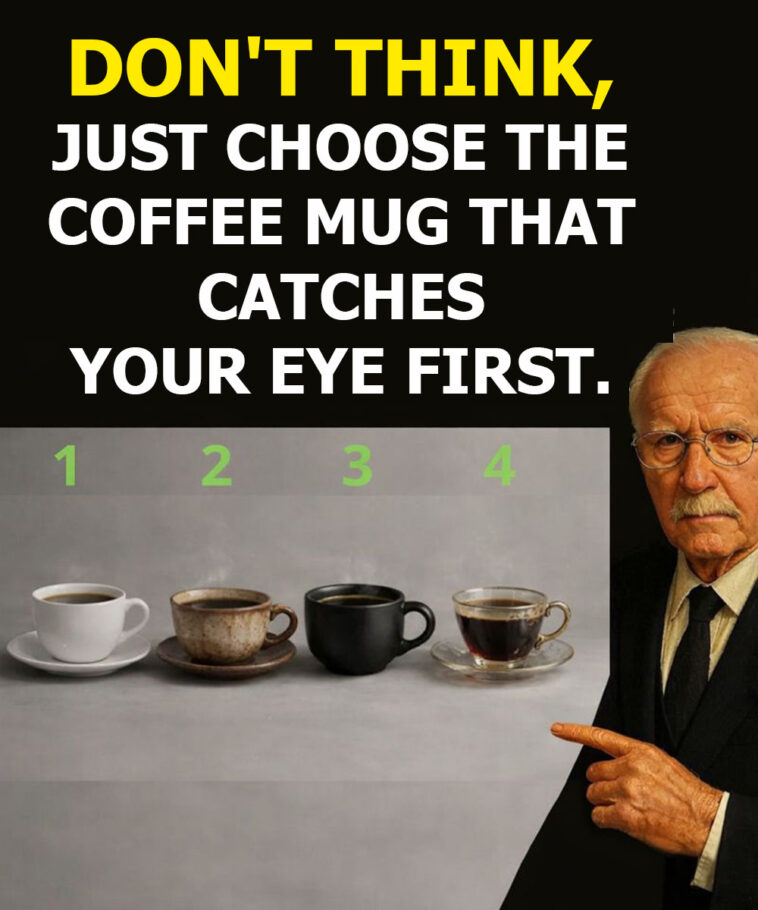
Before logic steps in—before you explain your reasoning or question your instincts—your choice has already been made. The human mind does not wait for analysis. It reacts first, silently and intuitively, drawing conclusions long before conscious thought catches up.
This is not a flaw in human psychology. It is how the brain is designed to function.
What feels like a simple preference—being drawn to a particular coffee cup—is often shaped by emotional patterns, mental states, and subconscious needs. The object itself may be ordinary, but the reaction to it rarely is.
Coffee cups are especially symbolic. They appear in moments of pause, stress relief, routine, intimacy, and solitude. Over time, the act of holding a cup becomes associated with emotional safety, control, grounding, and reflection. When your attention gravitates toward one cup over another, your inner world is responding—not your rational mind.
From the perspective of psychology and emotional health, these small choices function like mirrors. They reflect what is currently active within you rather than who you are permanently. That distinction matters.
This exercise is not about labeling personality types. It is about self-awareness, mental wellness, and emotional insight.
How to Take This Psychological Test
Imagine four different coffee cups in front of you.
Do not analyze design, price, or practicality.
Do not ask which one you should like.
Simply notice which one draws your attention first.
That immediate reaction is the one that matters.
Now, read the interpretation that corresponds to your choice.
If You Chose Cup One: Clarity, Structure, and Emotional Regulation
Choosing the first cup suggests a psychological state centered on order, balance, and internal control. You function best when life feels understandable and manageable. Ambiguity makes you uneasy—not because you fear complexity, but because you prefer stability.
You tend to process emotions cognitively before expressing them. Rather than reacting impulsively, you observe, evaluate, and decide how to respond. This makes you appear calm, dependable, and composed, especially in stressful situations involving work, finances, or family responsibilities.
People often rely on you during moments of crisis. You project emotional maturity and sound judgment, which can be an asset in leadership, decision-making, and long-term planning.
However, there is a psychological cost to constant regulation.
Your need for control can sometimes lead to emotional suppression. You may minimize your own pain, telling yourself it can wait. Vulnerability does not come easily—not because you lack emotion, but because you feel responsible for holding everything together.
In mental health terms, this pattern is associated with high functioning emotional regulation, but it may also signal a tendency toward internalized stress, burnout, or delayed emotional processing.
This cup does not represent rigidity. It reflects awareness. But it gently suggests something important: emotional strength does not weaken when softness is allowed in.
If You Chose Cup Two: Memory, Emotional Depth, and Relational Awareness
The second cup resonates with people whose inner world is deeply shaped by experience. You are emotionally perceptive, reflective, and strongly connected to personal history. You don’t skim the surface of life—you absorb it.
You tend to form strong emotional bonds, not only with people but with memories, places, and moments. Your empathy is intuitive. You sense emotional shifts in others without needing explanation, which makes you a powerful listener and a deeply supportive presence.
From a psychological standpoint, this indicates high emotional intelligence and relational sensitivity.
However, emotional depth has its challenges.
Letting go can be difficult for you. The past does not fade easily, and unresolved emotional experiences may linger longer than they should. You might revisit memories repeatedly—not because you are stuck, but because they still feel alive inside you.
This can affect emotional health when nostalgia becomes an emotional refuge rather than a source of wisdom. Relationships, habits, or situations may be held onto beyond their usefulness.
This cup does not suggest weakness. It reflects richness. But it also encourages emotional integration rather than emotional anchoring. Memory is meant to inform the present, not limit the future.
If You Chose Cup Three: Strength, Independence, and Emotional Intensity
Choosing the third cup points to a strong internal core. You are familiar with intensity—both emotional and psychological. You do not shy away from difficult truths, uncomfortable emotions, or complex realities.
Independence comes naturally to you. You rely on yourself, trust your own judgment, and rarely seek validation. This inner strength often develops from having faced challenges early in life or learning that resilience was necessary for survival.
You recognize emotions such as anger, fear, or sadness without denying them. That awareness contributes to emotional resilience and mental toughness.
However, strength can become armor.
You may keep emotional distance as a form of self-protection. Vulnerability might feel risky, and intimacy may trigger a fear of losing control. Over time, unexpressed emotions can accumulate, surfacing as irritability, withdrawal, or emotional fatigue.
Psychologically, this pattern reflects adaptive self-reliance, but it may also signal suppressed emotional needs.
This cup represents a process rather than a conclusion. It suggests growth through balance—softening without surrendering strength, allowing closeness without compromising identity.
If You Chose Cup Four: Intuition, Sensitivity, and Emotional Perception
The fourth cup appeals to those guided primarily by feeling rather than analysis. You perceive subtleties others overlook—tone shifts, unspoken tension, emotional undercurrents.
Your intuition is strong. You often sense what is happening beneath the surface before words confirm it. This sensitivity supports creativity, compassion, and meaningful connection.
In psychological terms, this reflects high emotional attunement and sensory awareness.
However, heightened perception comes with vulnerability.
You may absorb the emotions of others without realizing it. Stress, anxiety, or sadness can appear suddenly, even when nothing seems wrong in your own life. Emotional boundaries can blur, leading to exhaustion or withdrawal.
This does not indicate fragility. It reflects openness.
This cup encourages the development of emotional boundaries as a form of self-care. Sensitivity thrives best when protected, not suppressed.
Understanding the Deeper Psychology Behind the Four Cups
These cups are not fixed personality categories. They represent current psychological states, not permanent identities.
At different moments in life, you may resonate with different cups. Stress, health changes, financial pressure, relationship dynamics, or emotional growth can all shift what feels most relevant.
Each cup reflects a necessary psychological function:
Clarity without emotion leads to rigidity.
Emotion without release leads to stagnation.
Strength without softness leads to isolation.
Sensitivity without boundaries leads to exhaustion.
Mental wellness does not come from choosing one state—it comes from integrating them all.
Psychological Integration and Emotional Balance
Personal growth occurs when awareness replaces judgment.
Ask yourself:
Which state feels dominant right now?
Is it supporting me—or protecting me excessively?
What emotion have I been postponing?
Where do I need more balance?
This exercise is not diagnostic. It is reflective. It offers insight into emotional health, stress management, and self-awareness, all of which are essential components of long-term mental well-being.
Practical Recommendations for Emotional Wellness
Use this reflection as a gentle check-in, not a label.
Consider journaling about why this cup felt right.
Notice whether your choice changes over time.
Explore emotional balance through mindfulness, therapy, or stress-reduction practices.
Protect your mental health with boundaries, rest, and honest self-reflection.
Seek professional support if emotional patterns begin to interfere with daily functioning.
Psychological insight is most valuable when paired with action.
What Your Choice Really Means
The cup you chose does not define you.
It highlights what your inner world is asking for right now—clarity, release, strength, or protection. Self-knowledge is not a destination. It is a continuous process shaped by awareness, growth, and choice.
Sometimes the smallest preferences reveal the loudest truths.
As you continue scrolling, you may notice other tools, ideas, or resources that support emotional health, mental clarity, and personal growth.
As you were.