AnnaMaria
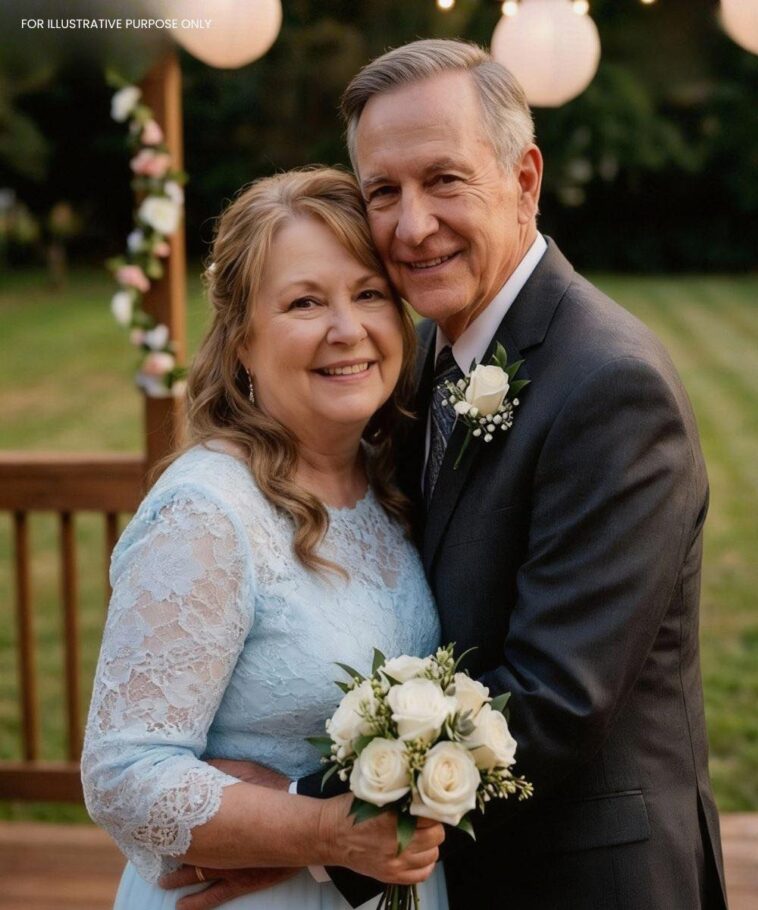
After years of living inside grief, I finally chose happiness again. I never imagined that decision would trigger a quiet war—one fought with smiles, secrets, and a wedding dress torn to shreds.
This isn’t just a story about love later in life. It’s about boundaries, financial clarity, legal awareness, and self-respect—things many people ignore until it’s too late.
Life After Loss: When Grief Becomes Routine
I lost my first husband, Paul, after thirty-seven years of marriage. When he died, grief didn’t scream. It settled in quietly.
My home became a museum of memories. His jacket stayed on the hook. His mug stayed in the cabinet. Days passed not because I wanted them to—but because they had to.
For five years, I lived on autopilot. No plans. No hope. Just routine.
Then one ordinary morning changed everything.
A Coffee Spill That Reopened My Heart
It happened in a small café near my favorite bookstore. I was flipping through a gardening magazine when hot coffee splashed onto my blouse.
“Oh no—I’m so sorry!” a man said, clearly panicked.
He was tall, silver-haired, with kind eyes and clumsy hands full of napkins.
I laughed. “It’s only fabric.”
His name was Robert. He insisted on buying me another coffee. One cup became conversation. Conversation became lunch. Lunch turned into dinners and long walks.
He had lost his wife years earlier and raised his daughter, Laura, on his own.
For the first time since Paul’s death, I felt present again. Not desperate. Not lonely.
Alive.
Choosing Love — Not Needing It
A year later, Robert proposed.
I said yes—not because I needed marriage again, but because I wanted it.
There’s a difference people rarely talk about.
Love chosen freely is stronger than love born of fear.
But not everyone celebrated our happiness.
His Daughter’s Disapproval Was Immediate
Laura was thirty-six. From the moment she learned about our engagement, her stance was clear.
She declined invitations.
Ignored phone calls.
Refused private conversations.
Finally, I asked her directly why she opposed the wedding.
She didn’t hesitate.
“You’re too old to get married,” she said. “And honestly? You’re probably after my inheritance.”
Robert was seventy.
I was sixty-eight.
I met her gaze calmly.
“I have my own home. My own savings. My own retirement planning. This isn’t about money. It’s about choice.”
Her expression shifted—not relief, but anger.
That’s when I realized this wasn’t about jealousy.
It was about control.
The Financial Red Flags I Couldn’t Ignore
As we planned the wedding, Robert gave me access to his finances—not because I asked, but because transparency matters, especially later in life.
What I found concerned me.
Letters he didn’t remember.
Payments he couldn’t explain.
Documents he hadn’t personally signed in years.
Laura often brushed it off.
“Dad doesn’t need to worry about paperwork anymore.”
I said nothing.
But I watched carefully.
Because financial abuse often hides behind familiarity—especially in families.
The Wedding Morning That Nearly Broke Me
The wedding day arrived under a perfect blue sky.
As I headed to the dressing room, I noticed Laura leaving it. She didn’t see me—but the look on her face stopped me cold.
When I opened the door, my heart dropped.
My wedding dress was destroyed.
The zipper torn.
The lace ripped.
Coffee smeared across the skirt.
This wasn’t an accident.
I didn’t scream.
I didn’t cry.
I took photos.
Every angle.
Every tear.
Evidence matters—emotion doesn’t hold up without proof.
“Maybe It’s a Sign You Should Cancel”
Minutes later, Laura returned, sipping water casually.
“Maybe it’s a sign you should cancel the wedding,” she said coolly.
I said nothing.
Instead, I called my friend Deirdre.
“I need a white dress,” I said. “Any dress. I’m getting married today.”
She returned thirty minutes later with a simple ivory sheath dress.
It wasn’t what I imagined.
But when I put it on, I felt something unexpected.
Strength.
That dress wasn’t a compromise.
It was armor.
The Ceremony — And the Truth Revealed
Robert noticed the different dress but said nothing.
After the vows, I showed him the photos. Quietly. Clearly.
His hands shook.
“She thought you’d stay silent,” I said. “Or that you’d choose her.”
Something changed in his eyes.
The Moment Everything Collapsed
At the reception, Robert stood and tapped his glass.
“Laura,” he said steadily, “you destroyed my wife’s dress. And everyone here deserves to know that.”
Gasps filled the room.
I stepped beside him.
“I didn’t steal anything from anyone,” I said calmly. “But I won’t allow sabotage disguised as love.”
Then I asked the question I’d been holding.
“I’ve noticed Robert hasn’t signed his own financial documents in years. When did that start?”
Silence.
Cornered, Laura exploded.
“I manage everything! I sign for him! Because he trusts me—and you don’t belong here!”
The room froze.
Robert’s face drained of color.
“Signing… what?” he asked.
Realizing what she’d admitted, Laura fled.
What the Accounts Revealed That Night
That evening, Robert and I reviewed everything.
Mismanaged funds.
Unexplained withdrawals.
Missed payments.
It wasn’t just irresponsible.
It was legally dangerous.
“She was afraid I’d be exposed,” I said quietly.
Robert nodded, devastated—but finally clear-eyed.
This wasn’t just family conflict.
It was a financial and legal crisis waiting to happen.
Why This Story Matters Beyond the Wedding
This isn’t just about romance.
It’s about:
• Estate planning
• Financial transparency
• Legal boundaries
• Elder financial protection
• Choosing love without surrendering autonomy
Later-life relationships require more honesty, not less.
Trust doesn’t mean blindness.
Love doesn’t mean silence.
Family doesn’t mean immunity.
The Foundation That Finally Changed
That night, Robert and I lay in silence, holding hands.
The future wouldn’t be simple.
But it would be honest.
Built on:
Truth
Choice
Self-respect
And this time, love wasn’t something I fell into.
It was something I chose.
As you were.