AnnaMaria
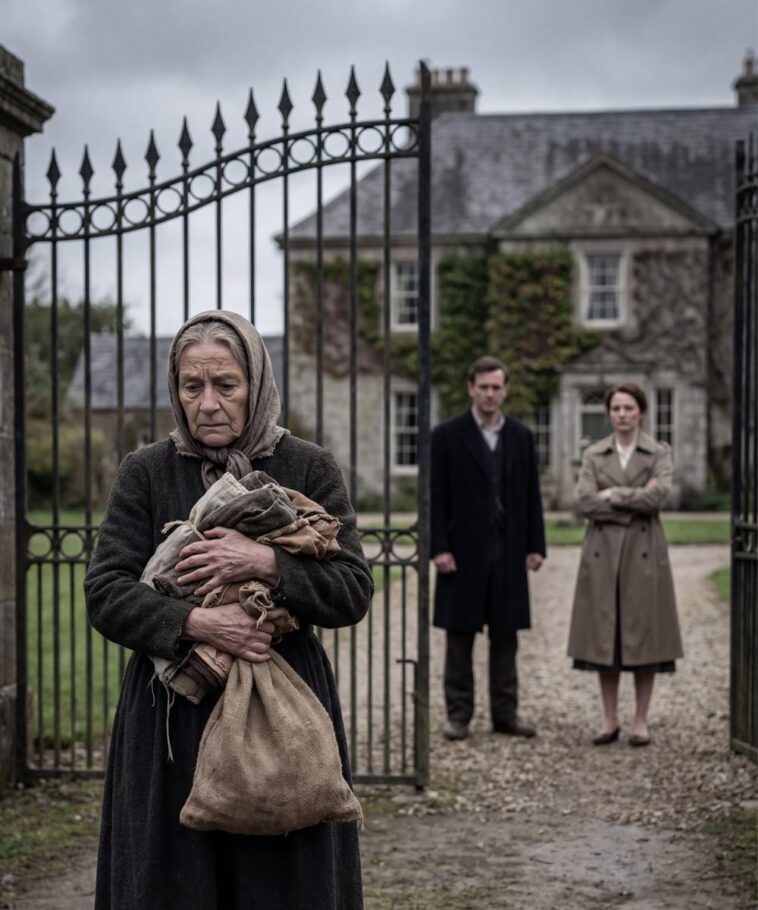
After her husband died, Lakshmi Devi sold her small ancestral home in Alwar, Rajasthan, and moved to Delhi to live with her only daughter, Riya Mehra.
She arrived with a single belief—quiet and unspoken:
A mother raises a child. One day, the child protects the mother. That’s how families survive.
Every morning, Lakshmi walked her granddaughter Aarav to kindergarten.
Every afternoon, she cooked, cleaned, folded laundry, and kept the household running smoothly.
She never complained.
She never asked for money.
And she never told her daughter that the ₹20 million from the sale of her house remained untouched—carefully recorded in a passbook wrapped in cloth and hidden among her belongings.
One Sip That Changed Everything
That afternoon, Delhi was unforgiving. The heat pressed into the walls. The air felt dry and sharp.
Lakshmi’s throat burned with thirst.
On the table sat a half-finished glass of sweet lime juice—Aarav’s. Ice cubes melted slowly at the bottom.
She took one small sip. Just enough to wet her lips.
At that exact moment, Riya walked out of the kitchen.
“What are you doing?” she snapped.
Lakshmi startled.
“Beta… I was very thirsty. I only took one sip.”
Riya slammed her spoon down.
“That’s my child’s juice!
Have you lost all shame—even at your age?”
Aarav hid behind her mother, watching silently.
Riya pointed to the door.
“This house doesn’t feed useless old people who contribute nothing.
Get out. Go wherever you want.”
Lakshmi didn’t cry.
She didn’t argue.
She walked to the living room, picked up her old cloth bag—the one holding her savings passbook—and stepped outside without turning back.
What She Did That Same Day
Lakshmi completed three things before nightfall.
First, she went to the bank.
She withdrew and transferred every rupee into a new account—solely in her name.
Second, she visited Shanti Niketan Old Age Home.
She chose a private room.
A full-time caregiver.
And paid ten years in advance.
Third, she went to a notary.
There, before two witnesses, she signed her will.
It read:
All remaining assets shall be donated to Helping Hands Society, an organization supporting abandoned elderly women.
No portion shall be given to any child who rejected, mistreated, or abandoned me during my lifetime.
Too Late
That evening, her phone rang.
“Mom… where are you?” Riya asked, voice trembling.
“Please come back tomorrow. I’ll make your favorite kheer.”
Lakshmi replied calmly,
“I don’t have a home anymore, Riya.”
A week later, Riya found her mother at Shanti Niketan—sitting under a neem tree, reading with other residents.
Riya fell to her knees.
“Mom, I’m sorry. Please come home.”
Lakshmi gently pulled her hand away—not in anger, but in quiet finality—and handed her a copy of the will.
Riya’s face drained of color.
“The money… the house money… where is it?” she whispered.
Lakshmi met her eyes.
“Your mistake wasn’t throwing me out,” she said softly.
“It was believing your mother had nothing left to lose.”
A nurse stepped forward.
“Come, Amma. It’s time for your medicine.”
Lakshmi nodded and walked inside.
The doors closed gently behind her.
Outside, under the harsh Delhi sun, Riya finally understood:
Many children learn how to show love
only after their parents choose themselves.
And by then—
the door is often already closed.
Just that.