AnnaMaria
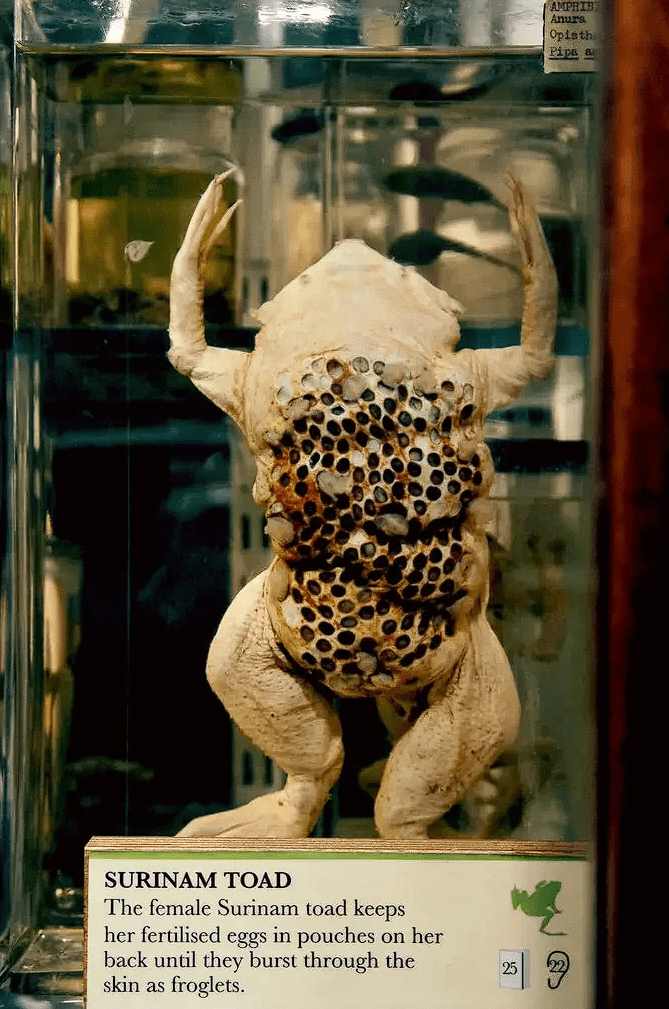
The Surinam toad has one of the most unusual birth methods in the animal world. This flat, leaf-like amphibian from South America uses its own back as a nursery for developing young.
Reproduction begins when a mating pair performs acrobatic movements in the water. As they rise and flip, the female releases eggs and the male fertilizes them. He then places the eggs into soft pockets that form in the female’s back skin.
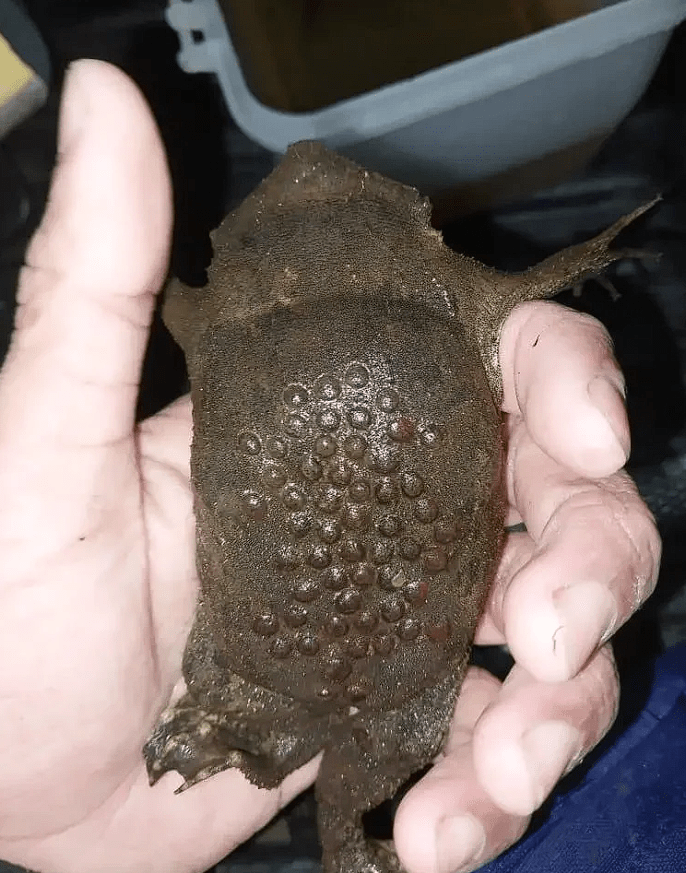
Over the next several days, these eggs sink into the skin and settle into a honeycomb pattern. Inside each pocket an embryo develops safely and out of sight from predators.
When development is complete, the young emerge as tiny fully formed toadlets. They skip the tadpole stage entirely and begin independent life almost immediately. After this process, the mother sheds the thin layer of skin on her back and returns to normal.
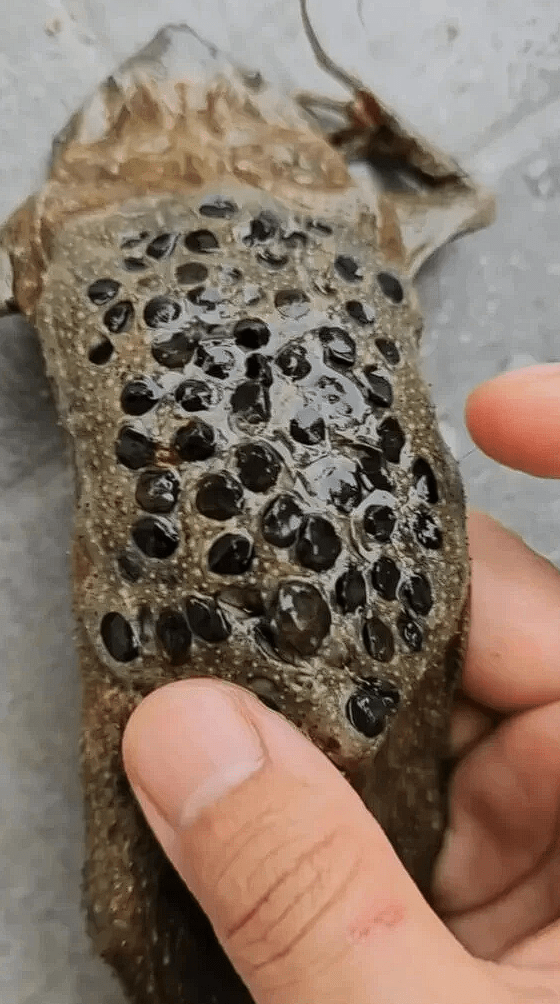
This unusual reproductive strategy protects the young without requiring constant parental care. The Surinam toad shows how diverse and inventive evolution can be when it comes to survival.