AnnaMaria
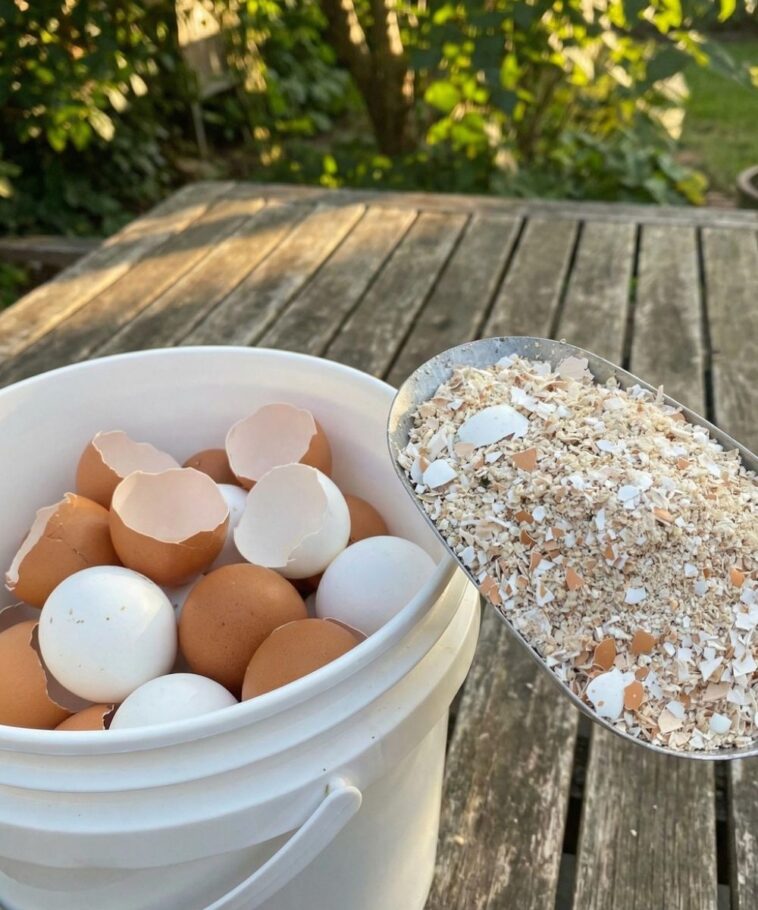
Every day, millions of kitchens crack eggs, cook breakfast, and toss the shells straight into the trash. It feels automatic. Once the egg is used, the shell seems like nothing more than brittle waste.
But that assumption overlooks a simple, practical solution hiding in plain sight.
With nothing more than boiling water and a few minutes, eggshells can be transformed into a useful household resource—one that addresses a common, recurring problem many people quietly struggle with, especially those managing homes, gardens, or indoor plants.
This isn’t a viral gimmick or an internet myth. It’s a low-cost, environmentally responsible habit rooted in basic chemistry and long-standing household practices that predate modern commercial products.
Why Eggshells Are More Valuable Than They Look
Eggshells aren’t fragile trash. They’re primarily composed of calcium carbonate—roughly 90% by weight—the same compound found in agricultural lime, antacid tablets, and many soil-conditioning products sold at garden centers.
In addition to calcium, eggshells contain trace amounts of:
-
Magnesium
-
Potassium
-
Phosphorus
These minerals play a direct role in plant health, soil stability, and even odor control. When eggshells are boiled, heat gently breaks down their rigid structure, allowing minerals to seep into the water.
The result is a mild, mineral-infused liquid that can be reused safely and effectively in several areas of the home.
Throwing eggshells away is essentially discarding a free, reusable household material.
The Common Problem Boiled Eggshells Help Solve
One of the most widespread—and misunderstood—household issues is calcium deficiency in soil.
This problem affects:
-
Indoor houseplants
-
Balcony gardens
-
Backyard vegetable plots
-
Potted herbs and flowers
Calcium deficiency weakens plant cell walls, leading to visible symptoms such as:
-
Yellowing or curling leaves
-
Weak or brittle stems
-
Poor root development
-
Blossom end rot in tomatoes and peppers
Many homeowners respond by buying commercial fertilizers, soil additives, or chemical supplements. These products can be effective—but they’re often expensive, sometimes overly concentrated, and not always environmentally gentle.
Boiled eggshell water provides a low-risk, gradual alternative that supports soil health without harsh additives.
How Boiling Eggshells Actually Works
When eggshells are boiled, the process does three important things:
-
Sterilization
Boiling kills bacteria and removes organic residue, making the solution safer for reuse. -
Mineral Release
Heat loosens calcium carbonate bonds, allowing small amounts of calcium and trace minerals to dissolve into the water. -
Improved Absorption
Plants absorb dissolved minerals more easily than solid shells scattered on soil.
The result is often called eggshell water or eggshell tea—a cloudy liquid that delivers nutrients gently rather than overwhelming the soil.
How to Make Eggshell Water at Home
This process requires no special tools, no chemicals, and no technical knowledge.
Step-by-Step Instructions
-
Rinse eggshells thoroughly to remove egg residue
-
Place shells from 4–6 eggs into a pot
-
Add 4 cups (960 ml) of water
-
Bring to a boil
-
Simmer for 5–10 minutes
-
Turn off heat and allow water to cool completely
-
Strain out the shells
-
Use the water within 24–48 hours
This entire process takes less time than a typical coffee break.
How to Use Eggshell Water Safely and Effectively
Once cooled, eggshell water can be used in several practical ways.
For Plants and Soil
-
Pour directly onto soil—not leaves
-
Use once every 2–4 weeks
-
Ideal for tomatoes, peppers, roses, herbs, and houseplants
This slow, mineral-based approach helps strengthen plant structure over time rather than forcing rapid growth.
For Compost Balance
Compost piles can become overly acidic, slowing decomposition. Calcium helps neutralize pH levels.
-
Add leftover shells or pour eggshell water directly onto compost
-
Improves microbial activity and odor control
For Odor Reduction
Eggshells naturally absorb odors.
-
Place dried, boiled shells near sink drains or trash bins
-
Add to compost containers to reduce smells
More Uses Beyond Gardening
Eggshells aren’t limited to soil health.
Gentle Household Cleaning
Crushed, boiled eggshells can be used as a mild abrasive for:
-
Scrubbing stubborn food residue from pans
-
Cleaning ceramic or stainless-steel surfaces
Unlike harsh cleaners, this method avoids chemical exposure—a consideration increasingly relevant to household health and safety discussions.
Sustainable Waste Reduction
Reducing kitchen waste isn’t just environmentally friendly—it can have financial benefits.
-
Fewer trash bags used
-
Reduced need for purchased soil additives
-
Lower spending on cleaning products
Small habits like this contribute to long-term household efficiency, an approach often recommended by financial planning and home management experts.
Why This Matters More Than It Seems
Modern households are encouraged to buy solutions for problems that once had simple answers. Gardening stores sell calcium sprays. Cleaning aisles are packed with specialty products. Compost treatments come with instructions and disclaimers.
But boiling eggshells costs nothing.
It uses:
-
Existing kitchen waste
-
Minimal energy
-
No packaging
-
No recurring expenses
For homeowners focused on budget control, eco-conscious living, or reducing reliance on commercial products, this habit aligns naturally with broader goals around financial responsibility and sustainable household management.
Common Mistakes to Avoid
While simple, there are a few important points to keep in mind:
-
Don’t overuse eggshell water—excess calcium can imbalance soil
-
Always let water cool before use
-
Avoid pouring on leaves or stems
-
Don’t store for more than two days
Used correctly, it supports soil health without disrupting natural balance.
Why Previous Generations Used This Without Thinking
Before specialized fertilizers, extended warranties on appliances, or household insurance plans for every risk, people relied on practical reuse.
Eggshells, coffee grounds, and vegetable scraps were seen as resources—not waste. These habits reduced expenses and extended household resilience.
Today, revisiting these methods isn’t about nostalgia. It’s about efficiency, self-reliance, and reducing unnecessary spending—principles that still matter in modern life.
A Small Habit With Real Impact
Boiling eggshells won’t revolutionize your home overnight. But it reflects a mindset shift:
-
Less waste
-
Fewer purchases
-
More awareness of what you already have
In a world driven by consumption, these small decisions quietly add up—financially, environmentally, and practically.
So next time you crack an egg, pause before tossing the shell away. You may already be holding the solution to a problem you didn’t realize you had.
As you were.