AnnaMaria
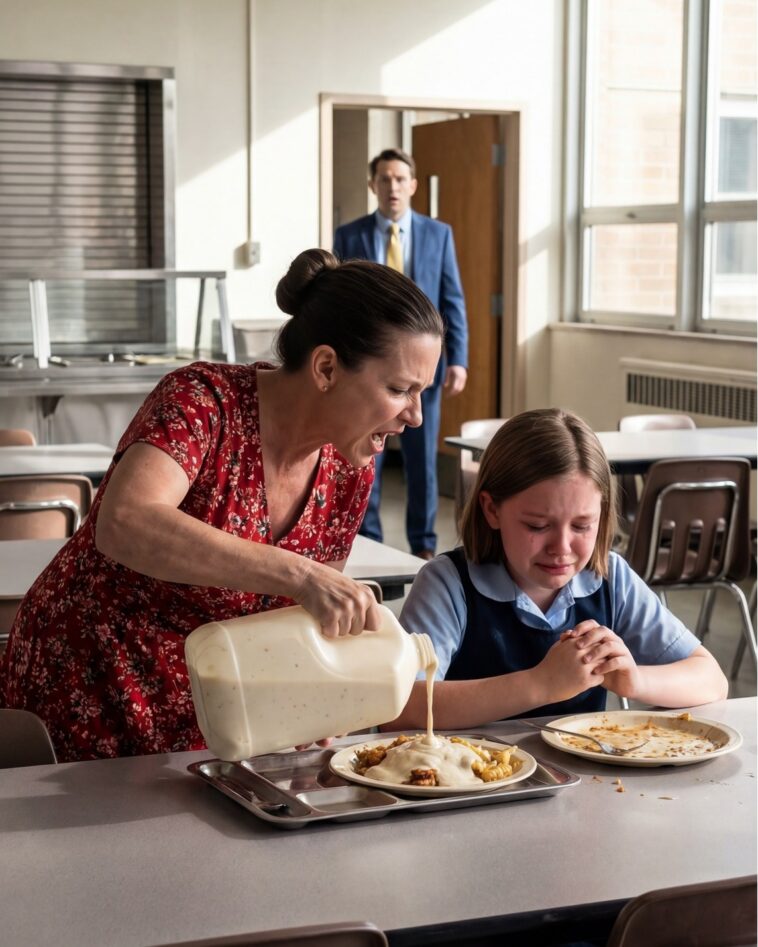
At three in the morning, Jonathan Hale sat alone in his sprawling Seattle home, staring at spreadsheets that no longer made sense. Almost four years had passed since his wife, Melissa, died, and he had buried himself in work. Big deals. Bigger accounts. Every number a substitute for presence.
He told himself: If I can give Emma everything money can buy, she’ll be fine.
He was wrong.
A House Too Quiet for a Seven-Year-Old
Emma, seven, had learned to keep her feelings hidden. Expensive furniture went unused. Polished floors were cold under her socks. Her father left before sunrise, returned long after bedtime, and piled her room with gifts that no one played with.
The only warmth came from Mrs. Carter, the housekeeper who braided her hair, packed extra fruit, and told her stories while tying shoes. Emma felt safe—but lonely.
The Woman Who Seemed Helpful
Vanessa worked at Emma’s private school and impressed Jonathan with her knowledge of child development. She gently warned him: “Emma needs guidance. Children need consistency. Fathers who work too much don’t see the damage until it’s too late.”
He married Vanessa within a year. The society pages praised him. At home, he relaxed for the first time in years. Emma smiled. Clothes were bought. Manners were praised. All seemed well.
Until no one was watching.
The Corner Table
When Jonathan left for work, Vanessa’s patience vanished. She criticized Emma’s every move, dismissed Mrs. Carter, and controlled the child’s routines. Lunch became the worst moment: Emma was sent to a corner table, meals swapped with leftovers, and told, “You don’t appreciate what you’re given. This will teach you respect.”
Crying made things worse. Emma learned to disappear.
A Drawing That Changed Everything
One rainy morning, Jonathan found a folded drawing among his papers before a business trip: a small figure under a dark cloud, a tall figure with a red mouth, and, in uneven letters, “I’m hungry.”
His heart sank. This wasn’t a request for snacks—it was fear pressed into crayon.
“Cancel the trip,” he told his assistant.
A Father Arrives
Driving through the rain, Jonathan reached the school cafeteria. Children’s chatter and trays clattering filled the room.
There she was: Emma, alone at the corner table. Vanessa stood over her.
Jonathan didn’t need to hear the words. He pushed the doors open hard. Silence fell.
“Step away from my daughter,” he said.
Vanessa paled. “Jonathan, this is a misunderstanding—”
He knelt before Emma, who curled in on herself.
“Daddy’s here,” he said softly.
Emma whispered, “I’m sorry. I wasn’t hungry.”
Jonathan lifted her into his arms. Calmly, he told Vanessa: “You don’t live with us anymore. You will never go near my child again.”
Rebuilding What Money Couldn’t Buy
Security footage confirmed the abuse. Vanessa lost her job. Jonathan sold the mansion, bought a smaller home with a yard, and learned how to cook, drive to school, and be present.
Emma needed time. There were setbacks—nights hiding food, mornings of anxiety—but he stayed. Always.
A Different Kind of Success
Years later, at graduation, Emma took the microphone:
“Success isn’t money,” she said, looking at Jonathan.
“It’s knowing someone will stop everything just to protect you.”
Jonathan cried openly, understanding for the first time what he had almost lost—and what he had finally chosen to save.