AnnaMaria
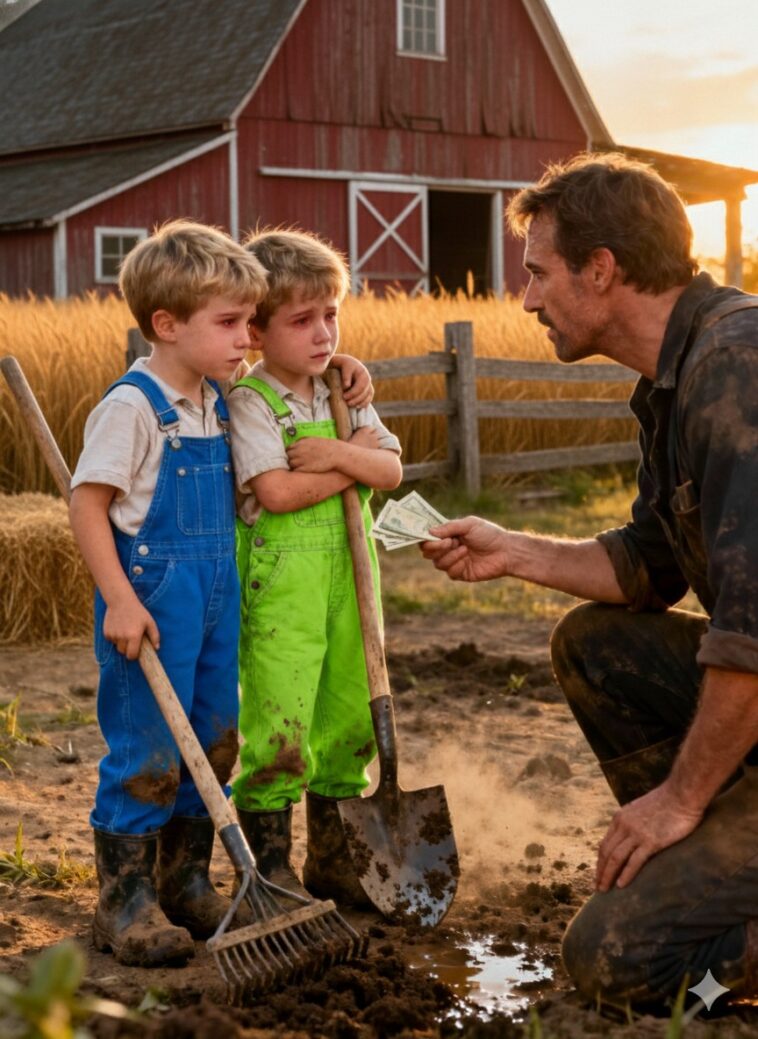
The Saturday I Thought I Was Just Paying for Yard Work
That Saturday morning arrived slowly—the kind that doesn’t rush you out of bed.
The light through the kitchen window was soft, almost polite, like it was asking permission to exist.
I had spent the entire week counting down to it.
No alarm.
No emails.
No calls that start with, “Do you have a minute?”
My plan was sacred in its simplicity: hot coffee, the afternoon game on TV, and a few uninterrupted hours of being unreachable.
I stood barefoot on cool tile, wearing an old T-shirt, the window cracked open. Somewhere down the block, a lawn mower hummed—other people choosing productivity.
My own yard had been begging for attention for weeks. Tall grass. Dry leaves tucked into corners like they owned the place. One patch of weeds had crossed from neglected into bold.
But not that Saturday.
That Saturday wasn’t about being useful.
It was about being human.
Then the doorbell rang.
Not the friendly kind.
The sharp, urgent ring that never brings good news when you’re not expecting company.
I sighed. Checked the clock. Looked at the couch.
And opened the door.
Two Boys at the Door
They stood there quietly, almost formally.
Two boys. Thin. Sun-darkened skin. One wore a faded blue baseball cap; the other held a metal rake that looked almost too big for him. Eleven or twelve, at most.
Their eyes were alert, alive—but there was something else there too. Not innocence.
Need.
The taller one stepped forward and removed his cap. The gesture felt old-fashioned, respectful. Disarming.
“Good afternoon, sir,” he said. “Would you like us to clean your yard? We’ll pull weeds, sweep, and take everything away. One hundred fifty dollars.”
He said it fast, like a line memorized. Like hesitation could ruin everything.
I glanced past them at the yard.
This wasn’t a quick job. This was real work—sun, bent backs, dirty hands.
I did the math without meaning to. Three hours, at least. Seventy-five dollars each.
Something tightened in my chest.
“One fifty each?” I asked.
The younger boy—Lucas—shook his head immediately, almost panicked.
“No, sir. Total. That’s fine for us.”
That’s fine for us.
The words landed hard.
I really looked at them then. Worn sneakers. Hands already rough. These weren’t kids playing at responsibility.
They weren’t asking for pity.
They were offering dignity at a clearance price.
“Alright,” I said. “You’ve got a deal.”
For just a second, the taller boy—Aaron—lit up. Lucas smiled like he’d won something important.
They went straight to work.
Watching Them Work
What happened next caught me off guard.
They worked like the yard belonged to them.
Weeds came out by the roots. Corners most people ignore were swept clean. Branches, leaves—even trash that wasn’t mine—was gathered and hauled away.
I noticed Lucas cleaning the sidewalk outside the fence.
“Hey,” I called. “You don’t have to do that.”
Aaron looked up, sweat streaking his face.
“It’s okay, sir,” he said. “That way it looks right.”
Not good enough.
Not done.
Right.
I sat on the front step as my coffee went cold. The game no longer mattered. Something else was happening.
In a world obsessed with shortcuts and minimum effort, two boys were offering quiet excellence.
No audience.
No applause.
Just work done properly because it should be.
When they finished, they knocked on the door.
Soaked in sweat. Hands black with dirt. Standing straight.
Proud.
The Conversation That Changed Everything
I pulled out my wallet and handed them six hundred dollars.
Aaron stepped back immediately.
“Sir, there’s a mistake. We said one fifty.”
I crouched so we were eye level.
“There’s no mistake,” I said. “You charged for cleaning. But you worked like professionals.”
They listened closely, like something important was unfolding.
“Never give your work away,” I continued. “If you do something well, charge what it’s worth. The world will try to pay you less. Don’t be the first ones to do it.”
Lucas clutched the bills with dirt-stained fingers. His hands trembled.
“Thank you,” he whispered. “Really. Thank you, sir.”
They walked away talking quietly—not about games or candy.
About bringing something home.
I closed the door with a strange, good weight in my chest.
I thought that was the end of it.
I was wrong.
Two Weeks Later
Two weeks passed.
Then the doorbell rang again.
Aaron stood there alone.
“Good afternoon, sir,” he said. “My brother couldn’t come today. He’s not feeling well.”
“Is he okay?” I asked.
He nodded, but didn’t quite meet my eyes.
“I was wondering if there might be work.”
I gave him water. Let him rest in the shade. Asked about his family.
And then came the part I hadn’t expected.
His father had passed away the year before.
His mother cleaned houses.
They worked whenever they could to help.
He swallowed before continuing.
“The day we brought home the six hundred,” he said, “my mom cried.”
I waited.
“Not because she was sad,” he added. “She said no one had ever paid us like that. She said maybe things weren’t as hopeless as they felt.”
That’s when it hit me.
It hadn’t been charity.
It had been recognition.
What Grew from That Day
After that, Aaron and Lucas came back often.
They raised their prices.
They learned how to say no.
They learned their worth.
Years later, I heard what became of them.
One studied accounting.
The other started a small landscaping business.
And me?
I never looked at work the same way again.
Because that Saturday, I didn’t just pay for yard work.
I helped challenge a dangerous lie—the idea that honest effort isn’t valuable.
And without realizing it, I corrected something in myself too.
As you were.