AnnaMaria
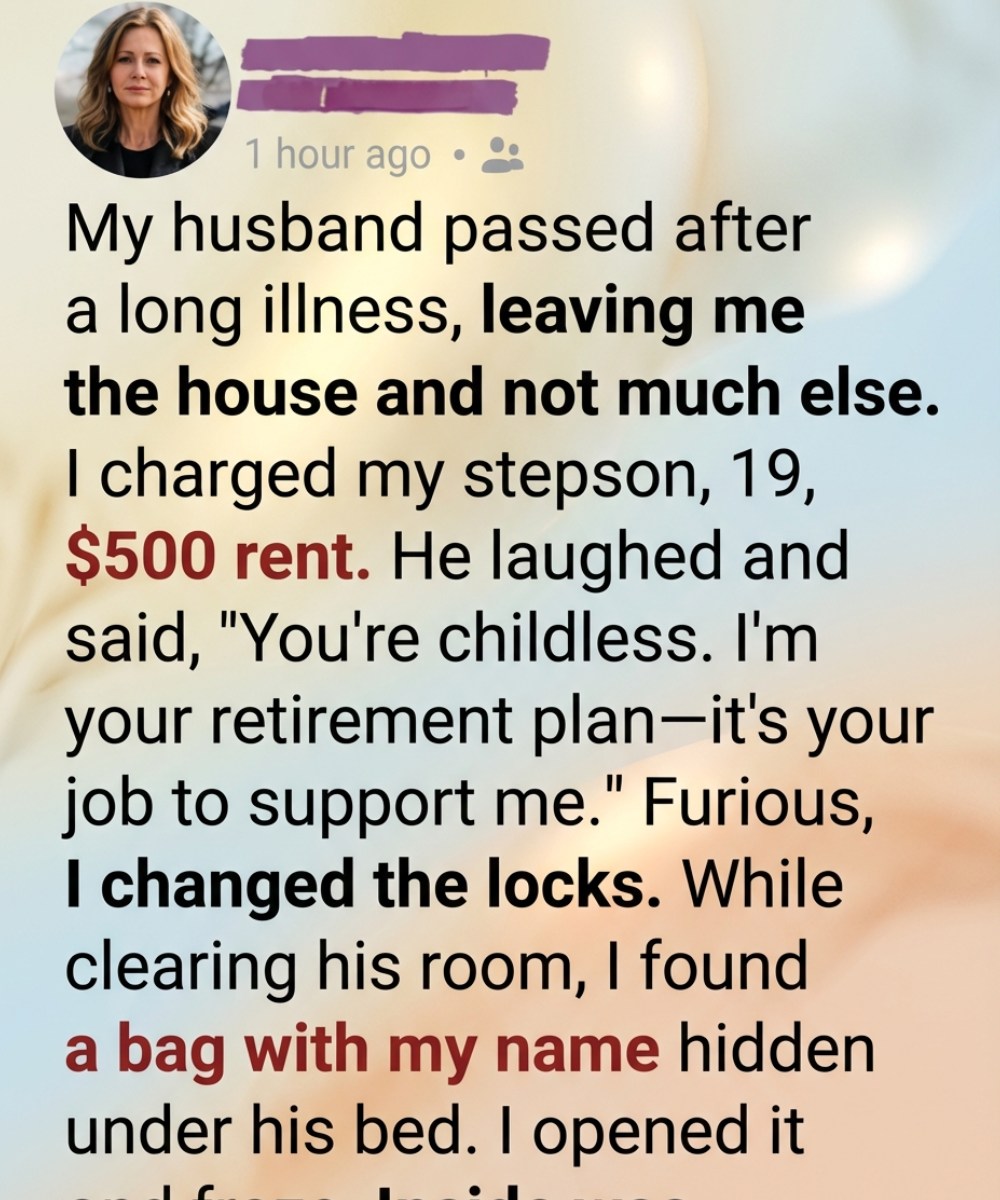
After my husband died, the house we built together stopped feeling like a refuge.
The furniture was the same. The walls hadn’t moved. Yet every sound echoed too loudly, as if the space itself had forgotten how to breathe. For months before his passing, our lives had revolved around hospital corridors, lab results, and fragile hope. When that all ended, the silence felt heavier than the fear that came before it.
Grief didn’t arrive alone. It brought practical worries with it—medical bills, mortgage payments, and the sudden realization that everything now rested on me.
My nineteen-year-old stepson, Leo, still lived at home. We were mourning the same loss, but in different ways. Neither of us knew how to talk about the future, because neither of us had imagined it without him.
A conversation shaped by exhaustion
One evening, overwhelmed and drained, I asked Leo to sit with me.
I explained how hard it had become to manage the expenses alone and gently asked if he could help with a small contribution toward rent for a while. He smiled and made a joke, brushing it off as if things would somehow work themselves out.
In that moment, his attempt to lighten the mood didn’t feel comforting—it felt dismissive.
By the next morning, my grief had curdled into resentment. I convinced myself he didn’t understand the weight we were carrying. Acting on that belief, I began gathering his things, bracing myself to ask him to leave.
What I wasn’t meant to find
While sorting through his room, I noticed a duffel bag tucked neatly under the bed. A label was taped to it.
It had my name on it.
Confused, I opened it. Inside was a savings passbook filled with small, steady deposits made over several years. Beneath it lay a folded birthday card, written in Leo’s careful handwriting.
In the note, he explained that he had been quietly saving money to help take care of me after his father was gone. The joke the night before, he wrote, had been his awkward way of hiding his plan until he felt the time was right.
Tears blurred the page as I read. I saw how fear and exhaustion had twisted my assumptions—and how deeply he had been thinking about my future all along.
Choosing understanding over silence
When Leo came home that evening, I didn’t wait.
I met him at the door, apologized, and thanked him through tears. I told him how proud his father would have been of the man he was becoming. In that moment, we both understood how easily grief can disrupt communication—and how love often exists quietly, imperfectly expressed.
From then on, we chose honesty over assumptions. We faced our worries together, supporting one another as we learned how to live without the person we both missed so deeply.
The house still held traces of grief.
But it no longer felt empty.
It felt steadier—warmed by the understanding that family isn’t only about the past you shared, but about the choice to remain united when the future feels uncertain.
There it is.