AnnaMaria
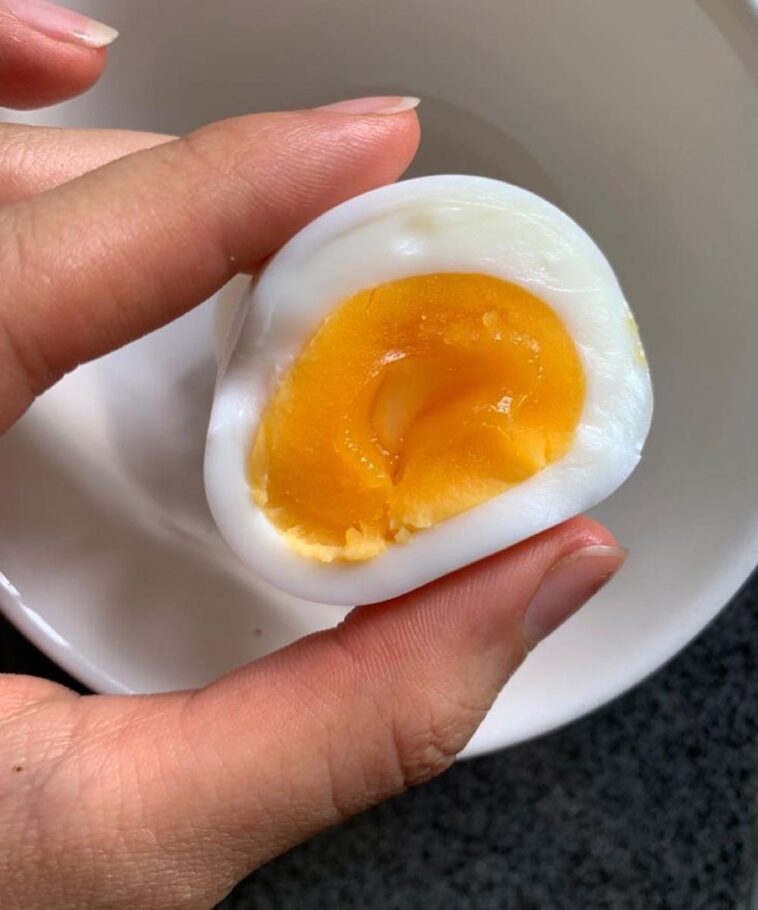
Eggs are one of the most complete foods available. They’re affordable, easy to prepare, and packed with high-quality protein, vitamins, and healthy fats.
For years, eggs were unfairly blamed for raising cholesterol. Today, science has largely cleared their name, recognizing eggs as a nutrient-dense food that can support brain health, muscle function, and long-lasting energy.
But there’s a catch.
Many people unknowingly make one common mistake when preparing eggs—especially in the morning—that can reduce their benefits and make them harder on the body.
The problem isn’t the egg itself.
It’s how it’s cooked.
The Common Egg Mistake Doctors Warn About
One of the biggest mistakes is overcooking eggs, particularly when they’re fried or boiled until the yolk is completely hard and the edges are browned or burned.
When eggs are exposed to very high heat for too long:
-
Proteins can become harder to digest
-
Healthy fats in the yolk can oxidize
-
Some heat-sensitive vitamins are reduced
-
The egg may become irritating to sensitive stomachs
In other words, the egg still fills you up—but it may lose much of its nutritional value and become heavier on digestion.
Why the Yolk Matters More Than You Think
The yolk is not the enemy. In fact, it’s the most nutrient-rich part of the egg.
It contains:
-
Choline, essential for brain and nervous system function
-
Vitamin D, important for bones and immunity
-
Vitamin A, which supports vision and skin health
-
Healthy fats that help absorb fat-soluble vitamins
-
Antioxidants like lutein and zeaxanthin that protect the eyes
When the yolk is cooked until it turns pale gray or greenish, many of these nutrients are reduced, and the fats become less beneficial.
What Happens When Eggs Are Cooked the Wrong Way
If overcooked or heavily fried eggs are eaten regularly, some people may notice:
-
Heavier digestion or bloating
-
A feeling of inflammation or discomfort
-
Acid reflux or heartburn
-
Less sustained energy after meals
That’s why many people say things like:
-
“Eggs feel heavy for me”
-
“I can’t digest eggs well”
-
“Eggs give me heartburn”
Often, the issue isn’t eggs themselves—it’s the cooking method.
The Healthiest Way to Eat Eggs
Eggs tend to be easiest on the body and most nutritious when:
-
The egg white is fully cooked
-
The yolk remains slightly soft or creamy
This balance helps preserve nutrients while improving digestion.
Health-friendly cooking methods include:
-
Soft-boiled (about 6–7 minutes)
-
Poached
-
Gently scrambled over low heat
-
Soft omelets or tortillas cooked slowly
Simple Tips for Eating Eggs Wisely
-
Avoid frying eggs at very high temperatures
-
Don’t burn the whites or dry out the yolk
-
Use gentle heat and shorter cooking times
-
Don’t always pair eggs with processed meats like sausages
-
Combine eggs with vegetables for better digestion
-
Choose fresh, high-quality eggs when possible
The Bottom Line
Eggs can be one of your strongest allies for health—supporting energy, brain function, and satiety.
But when they’re overcooked or burned, they can lose many of their benefits and become harder on the body.
The difference isn’t the egg.
It’s how you treat it.