AnnaMaria
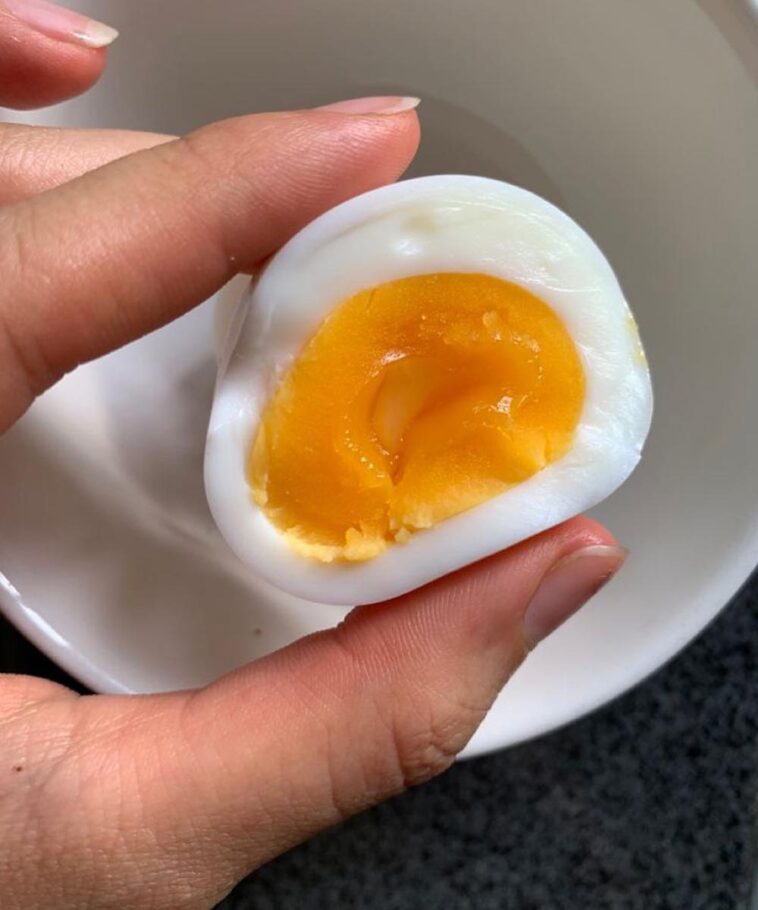
Eggs are one of the most complete foods available. They’re affordable, easy to prepare, and packed with protein, vitamins, and healthy fats. For years, they were wrongly blamed for cholesterol problems—but modern science has reclaimed eggs as a nutritional powerhouse.
However, there’s a very common mistake millions of people make when eating eggs—especially in the morning—that can quietly turn this superfood into a health problem.
The issue isn’t the egg. It’s how you cook it.
The Big Mistake Most People Make With Eggs
One of the most harmful habits is eating overcooked or burnt eggs, particularly when the yolk is fully hard and the edges are dark or crispy.
When eggs are cooked at excessively high temperatures:
-
Proteins break down in unfavorable ways
-
Healthy fats in the yolk oxidize
-
Inflammatory compounds are formed
-
Nutrient absorption decreases
The egg may still make you feel full—but it loses much of its protective value and can become harder on your body.
Why the Yolk Matters More Than You Think
The yolk is not the enemy. In fact, it’s the most valuable part of the egg.
The yolk contains:
-
Choline, essential for brain and memory function
-
Vitamin D, crucial for bones and immunity
-
Vitamin A, important for skin and vision
-
Healthy fats that protect neurons
-
Antioxidants that support eye health
When the yolk is overcooked and turns grayish or greenish, many of these nutrients are significantly reduced or destroyed.
What Happens in Your Body When Eggs Are Cooked Wrong
If you regularly eat eggs that are deep-fried or fully hard-boiled, your body may respond with:
-
Increased inflammation
-
Slower, heavier digestion
-
Extra strain on the liver
-
Higher production of free radicals
This explains why many people say things like:
“Eggs feel heavy to me.”
“I can’t digest them well.”
“They give me heartburn.”
The egg isn’t the problem—the preparation is.
The Healthiest Way to Eat Eggs
Eggs are most beneficial when:
-
The egg white is fully cooked
-
The yolk remains slightly soft or creamy
This balance preserves nutrients and improves digestion.
Healthier cooking methods include:
-
Soft boiling (6–7 minutes)
-
Poaching
-
Gentle scrambling over low heat
-
Soft omelets
-
Eggs cooked slowly with a bit of water
These methods help retain:
-
Vitamins
-
Healthy fats
-
Digestibility
-
Heart-protective benefits
Tips for Eating Eggs Wisely
-
Avoid frying eggs at high temperatures
-
Don’t burn the whites or dry out the yolk
-
Prefer gentle, slow cooking methods
-
Avoid pairing eggs too often with processed meats
-
Combine eggs with vegetables
-
If boiling, don’t overcook the yolk
-
Choose fresh, high-quality eggs
The Bottom Line on Eggs
Eggs can be one of your strongest allies for health—or a quiet source of inflammation if handled poorly.
The difference isn’t the egg. It’s how you treat it.
There it is.