AnnaMaria
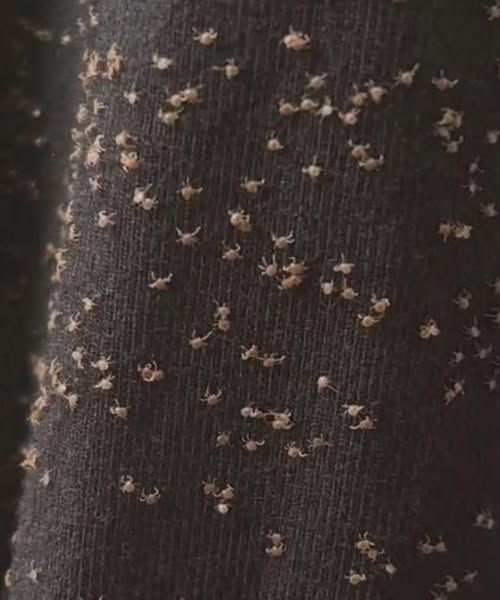
Have you ever gone for what felt like a calm, ordinary walk through a park, field, or nature trail, only to glance down later and notice your pant legs covered in tiny, stubborn bits that refuse to let go? It can feel unsettling at first, even a little alarming, especially when they seem to appear out of nowhere. You might wonder if you brushed against something unusual, stepped into the wrong area, or picked up something you should be concerned about.
In reality, what you found is almost certainly harmless, completely natural, and surprisingly clever. Those tiny hitchhikers are usually plant seeds, commonly referred to as burrs or stickseeds, and they are part of one of nature’s most effective and fascinating survival strategies.
Why Seeds End Up on Your Clothing
Plants cannot walk, run, or migrate on their own. Yet somehow, they manage to spread across fields, forests, roadsides, and even urban parks with remarkable efficiency. The reason is evolution. Over thousands of years, certain plants developed seeds specifically designed to attach themselves to passing animals or people, using movement as a free transportation system.
When you walk through tall grass, brush past weeds, or stroll along a wooded trail, your clothing becomes a perfect vehicle. Fabric fibers, seams, socks, shoelaces, and pant cuffs are especially good at catching these seeds. Once attached, the seed travels until it eventually falls off, often far away from the parent plant, where it may germinate and grow.
This process is known in botany as epizoochory, which simply means seed dispersal via the outside of animals. Humans, with our layered clothing and frequent movement, are excellent participants in this process, whether we realize it or not.
The Clever Design Behind Sticky Seeds
The reason these seeds cling so stubbornly is not accidental. Many of them are engineered by nature with tiny hooks, barbs, or hair-like structures that latch onto fabric, fur, or even shoelaces. If this sounds familiar, it should. The idea behind Velcro was directly inspired by burrs sticking to clothing during outdoor walks.
Some seeds rely on mechanical hooks, while others use a slightly sticky or rough surface texture that increases friction. Once attached, they are surprisingly difficult to remove without deliberate effort. This durability ensures the seed stays put long enough to be carried to a new location.
From an ecological perspective, this is incredibly efficient. The farther a seed travels from the original plant, the less competition it faces for sunlight, water, and nutrients. That increases its odds of survival, which is the ultimate goal of every plant species.
Common Plants Responsible for Sticky Pant Legs
If you have ever finished a walk and found yourself picking dozens of tiny seeds off your pants, chances are you encountered one or more of these common plants.
Beggar’s Lice
Despite the unpleasant name, beggar’s lice are widespread and harmless. Their seeds are small, flat, and covered in tiny hooks that cling tightly to clothing. They are commonly found in grassy areas, fields, and forest edges, especially during late summer and early fall.
Burdock
Burdock produces larger, more noticeable burrs that are famous for sticking aggressively to fabric and animal fur. These are the seeds that inspired Velcro. Burdock plants are often found along trails, roadsides, and disturbed soil areas. Their burrs can be uncomfortable if they attach directly to skin or pet fur.
Goosegrass (Cleavers)
Also known as cleavers, this plant feels sticky even when you touch the leaves. Its seeds and stems are covered in tiny hairs that hook onto anything brushing past. Goosegrass thrives in shaded, moist areas and often grows along paths where people walk frequently.
Sandbur
Sandbur seeds are small but sharp, with stiff spines that cling stubbornly to fabric. They are common in dry, sandy areas and can be particularly annoying if they get into socks or shoes. Some varieties can even poke through thin clothing, causing minor discomfort.
These plants are not dangerous in themselves, but they are persistent. Their success lies in how well they hitch a ride.
Why It Feels So Sudden
Many people are surprised by how quickly these seeds appear on their clothing. One moment your pants are clean, and the next they seem covered. This happens because seed clusters often grow at ankle or knee height, exactly where pant legs brush through vegetation.
Additionally, once one seed attaches, others are more likely to follow. Fabric fibers slightly raised by the first burr create more opportunities for additional seeds to latch on. Within seconds, you can pick up dozens without noticing until you stop walking.
Are These Seeds Harmful?
For the vast majority of people, these seeds are completely harmless. They do not bite, sting, or carry disease. They are simply plant material doing what it evolved to do. However, there are a few considerations worth keeping in mind.
Some burrs can cause mild skin irritation if they rub repeatedly against bare skin. Pets can experience discomfort if seeds get tangled in fur, especially around ears or paws. In rare cases, sharp burs like sandburs can cause small scratches.
From a health perspective, the main concern is not danger but inconvenience. Seeds brought indoors can spread onto carpets, furniture, or bedding, where they may continue their mission of dispersal.
How to Remove Burrs and Stickseeds Effectively
Removing these seeds does not require special tools or expensive products. A few simple methods work well and help prevent spreading seeds indoors.
A lint roller is one of the easiest solutions, especially for fabric surfaces. Strong tape wrapped around your hand, sticky side out, works just as well. A fine-tooth comb can help remove seeds caught in thick fabrics or pet fur.
It is best to remove seeds outdoors whenever possible. This prevents them from falling onto carpets or floors, where they may later attach to socks or pets. After brushing them off, washing your clothes in a standard cycle will remove any remaining seeds. Cold or warm water is sufficient, followed by a normal dry cycle.
If pets joined you on the walk, check their fur carefully. Burrs can hide behind ears, under collars, or between toes. Prompt removal prevents discomfort and keeps seeds from spreading inside your home.
Why Nature Uses This Strategy So Successfully
From an evolutionary standpoint, this method of seed dispersal is brilliant. It requires no energy once the seed is formed. The plant simply waits for something to pass by. Animals, people, and even vehicles become unwitting partners in reproduction.
This strategy also explains why these plants are often found along trails, sidewalks, and roadsides. These are high-traffic areas where movement increases the chances of seeds traveling far and wide. In ecological terms, humans are highly efficient seed carriers.
The Connection to Modern Design
One of the most interesting aspects of sticky seeds is their influence on human innovation. In the 1940s, a Swiss engineer noticed burrs clinging to his clothing and dog’s fur during a walk. He studied them under a microscope and used their hook structure as inspiration for what would later become Velcro.
Today, Velcro is used in everything from medical devices and athletic wear to aerospace engineering and insurance-backed medical equipment logistics. A simple plant adaptation became a foundation for modern fastening systems across industries, including healthcare and manufacturing.
When Sticky Seeds Become a Bigger Issue
While usually harmless, these seeds can occasionally pose problems in specific settings. Agricultural operations often monitor burr-producing plants because seeds can contaminate crops or animal feed. In livestock, burrs tangled in wool or fur can reduce product quality, impacting farm income and insurance claims.
In urban environments, invasive sticky-seed plants can spread rapidly, outcompeting native species. Municipal land managers and environmental agencies often focus on controlling these plants to protect biodiversity and reduce long-term environmental costs.
Preventing Future Encounters
If you want to minimize picking up burrs during walks, a few simple habits can help. Wearing smooth, tightly woven fabrics makes it harder for seeds to latch on. Avoid brushing against tall grass or dense weeds when possible, especially during late summer and fall when seed production peaks.
Tucking pant legs into socks or boots can also reduce contact. While it may not look fashionable, it is effective. Checking your clothing before getting into a car or entering your home helps prevent seeds from spreading to new locations.
A Small Reminder From Nature
Finding tiny seeds clinging to your pant leg may feel annoying, but it is also a reminder of how interconnected we are with the natural world. Even during a short walk, you become part of an ancient system of survival, movement, and renewal.
Plants do not ask permission. They simply adapt, persist, and make use of every opportunity available. In a world filled with complex systems like healthcare, finance, insurance, and legal frameworks designed to manage risk and responsibility, nature operates with quiet efficiency and remarkable simplicity.
The next time you stop to brush seeds off your pants, you are witnessing evolution at work, up close and personal.