AnnaMaria
Freedom Arrived Without Relief
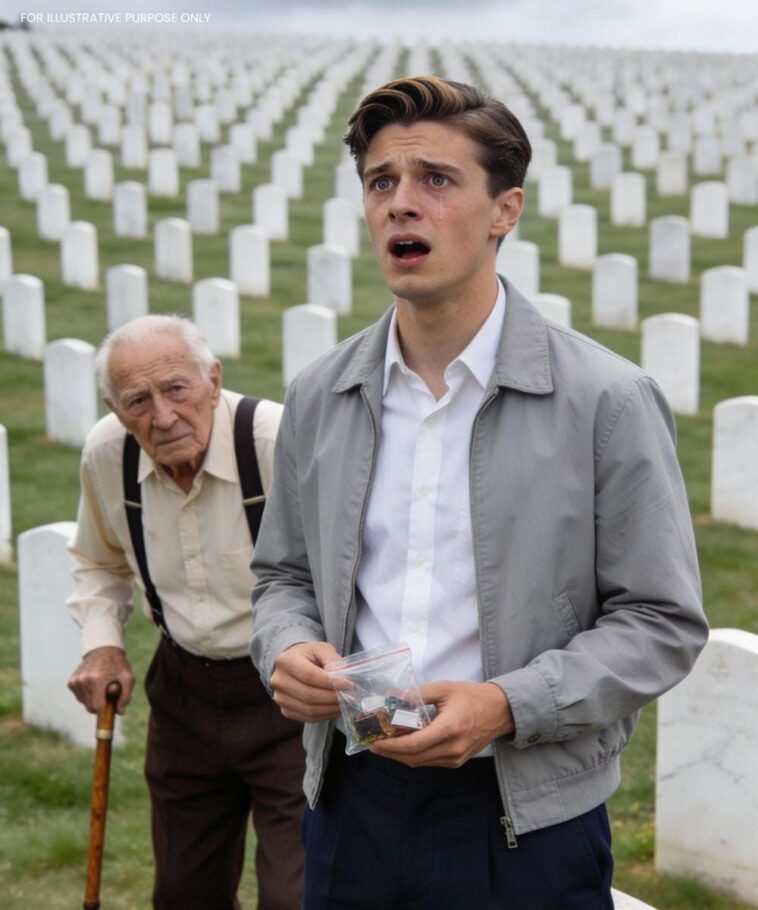
Freedom didn’t arrive with celebration or relief. It arrived smelling like fuel exhaust, burnt coffee, and cold metal—the unmistakable scent of a bus station just before sunrise. It tasted like a world that had kept moving while I stood still. When the iron gates opened and I stepped onto fractured pavement, all I carried was a transparent plastic bag containing everything I owned: two flannel shirts, a dog-eared copy of The Count of Monte Cristo with a broken spine, and the heavy silence you collect after three years of being told your words don’t matter.
Yet my thoughts weren’t on prison. Not on the injustice. Not on the headlines that had declared my guilt long before a verdict ever mattered.
They were on one person. My father.
Every night inside, I rebuilt him in my mind the same way. Sitting in his old leather chair by the bay window. Porch light casting a warm glow across the deep lines of his face. In my imagination, he was always waiting. Always alive. Holding onto the version of me that existed before the arrest, before the courtroom, before the world decided Eli Vance was a convenient answer.
I ignored the diner across the street despite the hollow ache in my stomach. I didn’t call anyone. I didn’t even look at the reentry address folded in my pocket.
I went straight home. Or what I believed was home.
The Street That Didn’t Recognize Me
The bus dropped me three blocks away. I ran the rest, lungs burning, heart pounding like it could outrun time itself. The street looked familiar at first—the cracked sidewalks, the sagging maple tree on the corner—but the closer I got, the more wrong it felt.
The porch railing was still there, but the peeling white paint was gone, replaced with a slate-blue finish that gleamed. The wild flower beds my father loved were trimmed into polite rows, filled with plants I didn’t recognize. The driveway, once empty, now held a polished sedan and an SUV, foreign and expensive.
I slowed.
The front door used to be dull navy because, as my father said, it “hid dirt best.” Now it was charcoal gray with a brass knocker. Where the crooked brown welcome mat once sat, there was a pristine coir mat that read HOME SWEET HOME.
I knocked. Not gently. Not cautiously. I knocked like a son who had counted every one of the 1,095 days. Like someone who still believed he belonged.
The Door Opened, But Warmth Didn’t
Linda stood there. My stepmother.
Perfectly styled hair. Crisp silk blouse. Eyes that inspected me like a problem delivered to the wrong address.
For a brief moment, I expected a flinch. Or surprise. Or a crack in the mask.
Nothing.
“You’re out,” she said flatly.
“Where’s my dad?” My voice sounded unfamiliar—rough, too loud.
Her lips tightened, then she said it as if reciting a grocery item.
“Your father died last year.”
The words hovered, unreal. Buried. A year ago.
My mind waited for clarification. For cruelty disguised as a joke. She didn’t blink.
“We live here now,” she added. “You should leave.”
The hallway behind her was unrecognizable. New furniture. New pictures. No boots by the door. No jacket on the hook. No smell of sawdust or coffee.
It was as if my father had been erased. And she held the eraser.
“I need to see him,” I said, desperation clawing at my chest. “His room—”
“There’s nothing left,” she replied, closing the door. Not slamming it. Just closing it. Slowly. Final.
The deadbolt clicked.
I learned my father was gone standing on his porch like a stranger.
Grief Without a Place to Sit
I don’t remember leaving. Only walking. Until my legs burned. Until the sentence stopped echoing.
Eventually, I reached the only place that made sense. The cemetery.
Tall pines loomed like guards. The iron gate creaked open. I didn’t have flowers. I didn’t have words. I only needed proof.
Before I reached the office, a voice stopped me.
“Looking for someone?”
An older man leaned on a rake near the shed. Alert eyes. Wary.
“My father,” I said. “Thomas Vance.”
He studied me, then shook his head.
“Don’t look,” he said quietly.
My stomach dropped.
“He’s not here.”
He introduced himself as Harold, the groundskeeper. Said he knew my father. Then he reached into his jacket and handed me a worn envelope.
“He told me to give you this,” he said. “If you ever came.”
The Letter and the Key
Inside the envelope was a letter. A card. And a key.
The card read: UNIT 108 — WESTRIDGE STORAGE.
The letter was dated three months before my release.
My father had known.
He wrote about watching from the sidelines. About fear. About illness. About time running short. He wrote that the truth is patient if you give it a place to wait. He wrote that he couldn’t stop what was coming, but he could leave me a map out.
I folded the letter and held the key until the edges bit my palm.
The Unit That Held My Life Together
Westridge Storage sat behind a row of auto shops and payday lenders. The gate buzzed open. Unit 108 waited at the far end.
Inside was a world my father had hidden. Boxes labeled by hand. Files sealed in plastic. Bank statements. Corporate records. Insurance correspondence. Legal notes. A ledger. And a small camera wrapped in cloth.
I set it up and pressed play.
My father appeared on the screen. Pale. Thin. But steady.
“You didn’t do it, Eli,” he said. “I know you didn’t.”
He explained how Linda and her son had stolen money. How they had used my access. How evidence was planted. How timelines were manipulated. How witnesses were nudged. How financial pressure and legal ambiguity can bend a system if you know where to lean.
He explained he had been sick. Afraid. Watched. So he documented everything. Quietly.
“And I’m sorry,” he said. “I should have protected you sooner.”
The video ended.
Choosing Law Over Rage
I didn’t confront them. I didn’t knock on the door again. I didn’t shout.
I went to a lawyer.
A good one. The kind who understands criminal appeals, asset tracing, and evidentiary chains. We cataloged every document. Verified signatures. Traced funds. Cross-checked timestamps. The storage unit became a timeline that told the truth without raising its voice.
The truth unraveled fast.
Assets froze. Subpoenas followed. Charges were filed. The conviction collapsed under its own weight.
The day I was officially cleared, I didn’t celebrate.
I mourned.
What Remains After Truth Wins
Later, I found my father’s real grave. Hidden. Private. A place Linda couldn’t control.
I sold the house. Rebuilt the business under a new name. Set up a small fund to support the wrongly convicted with legal fees, insurance navigation, and reentry planning.
Because some people don’t just steal money. They steal time.
And the only way to win isn’t revenge.
It’s building something honest from what they tried to bury.
I wasn’t forgotten.
And now the truth isn’t underground.
It’s alive.