AnnaMaria
The Transaction That Wasn’t Supposed to Matter
They handed me over without hesitation. No explanations. No apologies. No pause that might resemble love. I was traded the way livestock is traded at a rural fair—quickly, quietly, for a handful of wrinkled bills my so-called father counted with shaking hands and greedy eyes.
My name was María López. I was seventeen years old. And in that moment, I learned exactly how much value the people who raised me believed I had.
Seventeen years in a house where silence was survival and invisibility was the only acceptable posture. A place where cruelty didn’t need fists to leave damage, and affection was treated like a weakness. People imagine suffering as loud and dramatic. I learned that it can also be routine, quiet, and carefully hidden behind closed doors in a forgotten town where looking away was easier than intervening.
A Childhood Built on Quiet Fear
The town in Hidalgo where I grew up was small, dusty, and forgettable. The kind of place where gossip traveled faster than compassion and where no one asked questions that might require responsibility. The man I called my father, Ernesto López, came home drunk most nights. I learned to recognize the sound of his truck from blocks away. That sound tightened my chest every time.
The woman who claimed to be my mother, Clara, rarely raised her hand. She didn’t need to. Her voice was precise, surgical, designed to leave wounds that couldn’t be photographed or explained. Bruises fade. Words stay.
I learned to move quietly. To wash dishes without clinking plates. To breathe without being noticed. To stay small enough that I might be overlooked when anger searched for a target. I learned that being invisible was safer than being loved.
“You’re useless,” Clara liked to say. “You don’t even deserve the air you breathe.”
No one in town intervened. Teachers noticed my silence. Neighbors heard arguments. People saw the long sleeves in summer. But silence is contagious, and pretending not to see is easier than getting involved.
Books as a Way Out
The only escape I ever had came from books rescued from trash piles or borrowed from the local library. The librarian never asked questions. She just slid the books across the counter and looked at me like a person instead of a burden. Through those pages, I imagined places where love didn’t feel like punishment and families didn’t treat children like debts.
I never imagined my life would change the day they sold me.
The Knock That Ended Everything
It was a suffocating Tuesday. The air felt heavy, unmoving. I was on my knees scrubbing the kitchen floor for the third time because Clara said it still “smelled dirty” when there was a hard knock at the door.
Not polite. Not hesitant. Firm.
Ernesto opened it, and the doorway filled with a man everyone in the region knew by name. Don Ramón Salgado. Owner of a massive ranch near Real del Monte. Wealthy. Reclusive. A widower people described as cold.
“I came for the girl,” he said flatly.
My heart stopped.
“For María?” Clara asked, forcing a smile that never reached her eyes. “She’s weak. Eats too much.”
“I need help on the ranch,” he replied. “I’ll pay today. Cash.”
That was it. No discussion. No questions. Just money laid on the table, counted quickly, as if I were a broken appliance being returned.
“Pack your things,” Ernesto told me. “And don’t make a scene.”
Everything I owned fit into a single canvas bag. Worn clothes. One pair of pants. One book with loose pages.
“Good riddance,” Clara muttered without looking up.
The Drive Into Fear
The drive felt endless. I cried silently, staring out the window, imagining every nightmare my mind could invent. Why would a man want a girl alone on a mountain ranch? Endless labor. Isolation. Worse things I didn’t have words for yet.
The road climbed higher until we reached the ranch.
And it wasn’t what I expected.
A Place That Didn’t Feel Like a Prison
The land was wide, orderly, surrounded by pine trees. The house was sturdy, clean, clearly cared for. Inside, everything smelled of coffee and wood. Old photographs lined the walls. Nothing screamed danger. Nothing felt like a trap.
Don Ramón sat across from me at the table.
“María,” he said, his voice unexpectedly gentle, “I didn’t bring you here to hurt you.”
I didn’t understand.
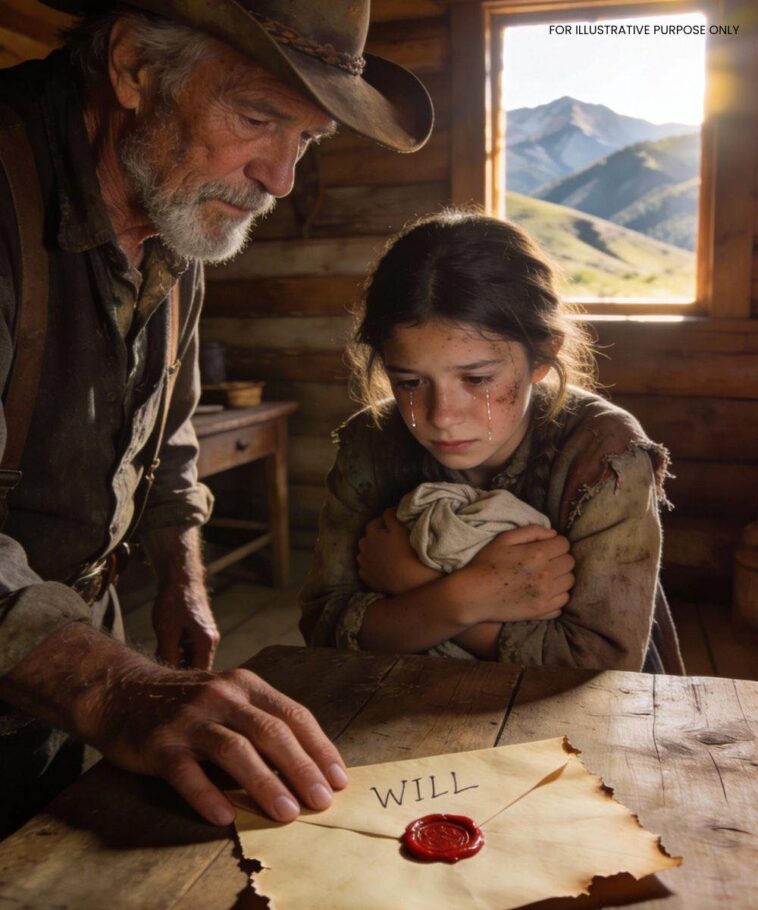
He reached into a drawer and pulled out a yellowed envelope sealed with red wax. On the front was a single word.
Will.
“Open it,” he said. “You deserve to know the truth.”
The Envelope That Rewrote Everything
My hands shook as I unfolded the paper. The sound of it filled the room.
I read one line. Then another.
And something inside me cracked open—not to destroy me, but to rebuild me.
That document wasn’t just a will. It was an explosion.
It said my name wasn’t María López. It said my identity had been hidden for seventeen years. It said I was the only daughter of Alejandro de la Vega and Elena Morales—one of the most respected families in the north of the country.
They had died in a terrible accident when I was a baby. I survived by chance.
Everything they built belonged to me.
I couldn’t breathe.
The Truth About the People Who Raised Me
“Clara and Ernesto were never your parents,” Don Ramón said quietly. “They worked for your family. People your parents trusted.”
My heart pounded painfully.
“They stole you,” he continued. “They took the money meant to raise you. And they hated you because you were proof of their crime.”
Suddenly, everything made sense. The cruelty. The hunger. The punishments. The way they treated me like a burden instead of a child.
“They were paid every month for your care,” he said. “But they spent it on themselves. And punished you to silence their guilt.”
I felt anger, but also relief. I wasn’t broken. My life had been stolen.
Why He Bought Me
“I bought you today,” Don Ramón said, meeting my eyes. “Not to own you. Not to control you. I did it to return what was taken.”
“Your name. Your life. Your dignity.”
That was when I cried harder than I ever had—not from fear, but from release.
For the first time, I understood something clearly. I was never worthless.
Justice, Slowly and Relentlessly
The days that followed were a blur of lawyers, documents, courtrooms, and quiet explanations. Clara and Ernesto were arrested while trying to flee. They didn’t apologize. They screamed and blamed me, furious that the truth had surfaced.
I felt no joy watching them taken away. Only peace.
Yes, I reclaimed an inheritance protected by legal safeguards, financial oversight, and trust structures designed to ensure long-term security. But more importantly, I reclaimed myself.
Learning What Real Care Looks Like
Don Ramón never acted like a savior. He stood beside me like a father. He taught me how to live without fear. How to walk upright. How to laugh without shame. How to understand that real care doesn’t hurt.
Where the gray house once stood, there is now a shelter for abused children. A place built with accountability, transparency, and compassion—values that matter more than wealth.
The Day I Understood Freedom
Sometimes I think about the day they sold me for a handful of coins. I believed it was the end of my story.
Now I know the truth.
They didn’t sell me to destroy me.
They sold me… to set me free.