AnnaMaria
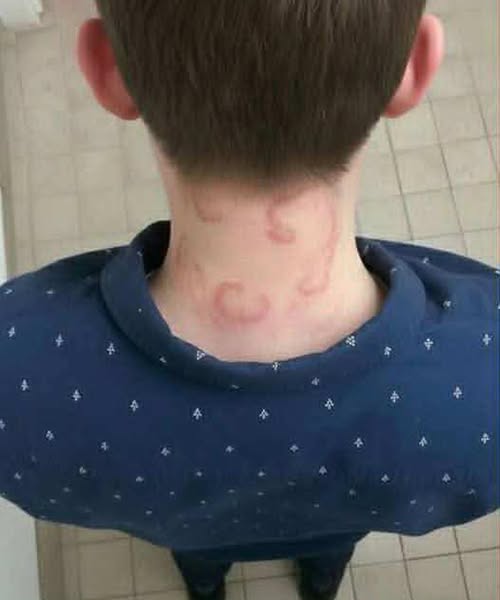
At first, it seemed harmless. An itch here. A raised patch there. The kind of irritation most people dismiss as a mild allergy, dry skin, or a reaction to something eaten or touched without thinking. That was exactly what he believed was happening when his entire body began to itch relentlessly. He changed soaps. Switched detergents. Avoided certain foods. Nothing helped.
What he was experiencing had a name—and understanding it changed everything.
What Was Really Happening Under the Skin
The condition was urticaria, commonly known as hives. It is far more common than most people realize, affecting roughly one in five individuals at some point in their lives. While it often looks dramatic, with red, raised patches spreading across the skin, the real issue starts much deeper.
Urticaria causes intensely itchy, raised areas of skin, medically referred to as weals or hives. These welts can be round, oval, or ring-shaped and frequently merge into larger, irregular patches. They can appear anywhere on the body—arms, legs, torso, scalp—and often seem to move, fading in one area while reappearing in another.
A key feature that confuses many people is how quickly these marks can change. Individual hives usually disappear within 24 hours, sometimes within minutes, yet the condition itself may continue for days, weeks, or even months.
Why the Itching Feels So Intense
The itching is not superficial. Urticaria occurs when mast cells, a type of immune cell, release histamine and other inflammatory chemicals into the bloodstream. These chemicals cause tiny blood vessels in the skin to leak fluid into surrounding tissue, creating swelling and redness.
This reaction explains why scratching often makes things worse. Pressure or friction can trigger additional histamine release, causing new hives to appear exactly where the skin was scratched. It becomes a frustrating cycle—itching leads to scratching, which leads to more itching.
This mechanism is why urticaria is closely related to allergic responses, even though it is not always caused by a classic allergy.
When Swelling Goes Deeper: Angioedema
For many people, urticaria doesn’t stop at surface-level hives. It may also involve angioedema, a deeper form of swelling that affects the layers beneath the skin.
Angioedema most commonly appears in soft tissues such as the lips, eyelids, tongue, throat, hands, or genitals. Unlike hives, this swelling is often painful or tight rather than itchy and can take longer to resolve—sometimes several days.
This distinction matters, especially when swelling affects the mouth or throat. Airway involvement is a medical emergency, requiring immediate attention, as it can interfere with breathing.
When Swelling Appears Without Hives
In some cases, angioedema occurs without any hives at all. This can be a warning sign of a different and more serious condition known as hereditary angioedema.
This inherited disorder is not related to histamine release and does not respond to standard antihistamines. It requires specific blood tests for diagnosis and specialized medical treatment. Recognizing this difference early is critical, as misdiagnosis can delay proper care and increase health risks.
The Main Types of Urticaria
Doctors classify urticaria based on how long it lasts and what triggers it. Understanding these categories helps determine treatment strategies and long-term expectations.
Acute Urticaria
This is the most common form. Acute urticaria lasts less than six weeks, and the cause is often identifiable. Triggers may include certain foods, medications, infections, or insect stings. Once the trigger is removed or the reaction resolves, symptoms typically disappear.
Chronic Urticaria
When hives persist longer than six weeks, the condition is considered chronic. This form can last months or even years. In many cases, no clear cause is ever identified, which can be emotionally distressing for patients.
Chronic urticaria is now understood to often involve autoimmune mechanisms, where the immune system mistakenly activates mast cells without an external allergen. This means the body is reacting to itself, not to something you touched or ate.
Physical Urticaria
This type is triggered by physical stimuli rather than allergens. Common triggers include scratching, pressure from tight clothing, cold temperatures, heat, sunlight, exercise, or emotional stress that raises body temperature.
People with physical urticaria may notice hives forming exactly where a belt presses into the skin, where a backpack strap rests, or after exposure to cold air or hot showers.
Common Triggers and Risk Factors
Urticaria can be unpredictable, but several factors increase the likelihood of flare-ups.
Allergic reactions remain a major cause, particularly to foods, medications, insect stings, and latex. Infections—both viral and bacterial—can also provoke hives, especially in children.
Emotional stress plays a significant role. While stress is not always the root cause, it can lower the threshold for histamine release, making flare-ups more frequent and more severe. Many people notice worsening symptoms during periods of anxiety, grief, or financial and legal stress.
People with a history of allergies, asthma, or autoimmune conditions are more prone to developing urticaria. Certain medications, including antibiotics, nonsteroidal anti-inflammatory drugs, and blood pressure treatments, can also trigger outbreaks.
Additionally, when the body is already under strain from another illness, it becomes more reactive. Your immune system doesn’t operate in isolation—everything you’re dealing with affects how it responds.
Why Some Cases Don’t Need Treatment
One confusing aspect of urticaria is that many cases resolve on their own. Acute hives often disappear within 24 hours, even without intervention. This leads some people to ignore recurring episodes, assuming they will simply fade again.
However, repeated or persistent symptoms deserve medical evaluation. Chronic itching, sleep disruption, and visible skin changes can significantly impact mental health, work productivity, and overall quality of life.
Medical Treatment Options
When treatment is necessary, doctors usually start with antihistamines, which block the effects of histamine and reduce itching and swelling. These medications are considered first-line therapy and are often effective when taken regularly, not just during flare-ups.
In more severe cases, short courses of steroid medications may be prescribed to calm intense inflammation. These are typically used cautiously due to potential side effects.
Topical treatments such as menthol-based creams can provide temporary relief from itching but do not address the underlying immune response.
For chronic or treatment-resistant cases, specialists may recommend advanced therapies that target immune pathways more precisely. These options are usually considered when symptoms significantly interfere with daily functioning or health-related quality of life.
The Emotional and Financial Impact of Chronic Itching
What many people underestimate is how deeply chronic urticaria can affect daily life. Persistent itching disrupts sleep, concentration, and emotional stability. Over time, this can contribute to anxiety, depression, and increased healthcare utilization.
From a health insurance and medical cost perspective, delayed diagnosis and repeated emergency visits can become expensive. Early evaluation by a qualified healthcare provider can reduce long-term costs and prevent unnecessary testing.
When to Seek Immediate Medical Help
While most hives are not dangerous, certain symptoms require urgent care. These include swelling of the tongue or throat, difficulty breathing, dizziness, or fainting. These signs may indicate a severe reaction that can escalate quickly.
Anyone experiencing these symptoms should seek emergency medical attention without delay.
Understanding the Diagnosis Changes the Fear
What began as “just an allergy” turned out to be a complex immune response with identifiable mechanisms, patterns, and treatments. For many people, simply understanding what is happening inside their body reduces fear and restores a sense of control.
Urticaria is not a failure of the body—it is a signal. A signal that the immune system is reacting, sometimes too strongly, sometimes without a clear reason, but always with information worth paying attention to.
Learning to recognize triggers, managing stress, and working with medical professionals allows most people to regain comfort and confidence over time.
And sometimes, putting a name to the problem is the first step toward relief.