AnnaMaria
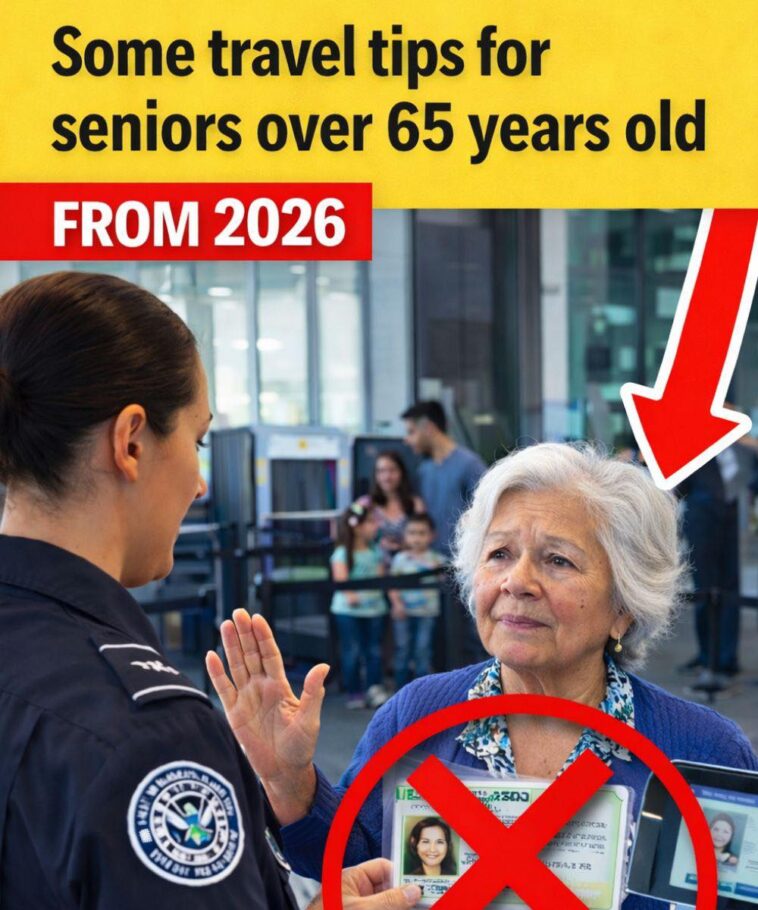
Travel after the age of 65 is no longer about “coping” with airports, flights, and long journeys. Between late 2025 and 2026, a quiet but significant shift has taken place in global travel policy. Airlines, airports, and regulators have updated accessibility and passenger-assistance rules that directly affect older travelers, even those who consider themselves active and independent.
The problem is not the absence of benefits.
The problem is that almost no one explains them clearly.
Many seniors still endure unnecessary stress, fatigue, and extra costs simply because they don’t know what they are entitled to ask for. Others hesitate to request help, assuming it is reserved only for people in wheelchairs or visible disabilities. In reality, the modern definition of accessibility includes age-related changes such as reduced stamina, joint pain, balance issues, slower reaction time, or medical needs that do not show on the outside.
This guide explains what has changed for 2026, why it matters, and how people over 65 can travel with more dignity, calm, and control—without feeling rushed, embarrassed, or dependent.
Why travel rules for seniors are changing now
The global population over 65 is growing faster than any other age group. At the same time, older adults are traveling more than previous generations—often internationally, often independently, and often for longer stays.
Airports and airlines faced increasing complaints, legal challenges, and safety concerns related to:
-
Falls during boarding
-
Missed connections due to long walking distances
-
Medical incidents caused by rushed procedures
-
Separation from companions
-
Improper handling of medical devices and medications
Rather than introducing flashy announcements, regulators and airlines quietly expanded accessibility frameworks to include aging-related needs. These changes apply regardless of whether a traveler identifies as “disabled.”
In other words, you do not need a diagnosis to deserve consideration.
1. Staying together with a companion from curb to seat
One of the most important changes affects seniors traveling with a spouse, adult child, friend, or trusted companion.
Under updated accessibility policies, if you qualify for any form of assisted travel—even without a wheelchair—your companion may accompany you through:
-
Security screening
-
Passport control
-
Waiting areas
-
Priority boarding
-
Arrival assistance
This applies even if:
-
Tickets were booked separately
-
Seating assignments differ
-
The companion does not need assistance themselves
This change recognizes a simple truth: navigating an airport alone can be exhausting or confusing, even if you can walk independently.
How to request it
At check-in, security, or the gate, calmly say:
“I’m requesting mobility assistance, and I need my companion to stay with me.”
Your reservations can be linked on the spot. No medical documentation is required.
2. Priority boarding without requesting a wheelchair
Many seniors avoid asking for assistance because they don’t use mobility devices. This often leads to crowded boarding, rushing, lifting bags under pressure, and unnecessary strain.
Updated rules make it clear:
You can request priority boarding for fatigue, joint pain, balance issues, or reduced stamina.
You do not need to explain your medical history.
Priority boarding allows you to:
-
Enter the aircraft before crowds
-
Take your time walking the aisle
-
Store carry-ons safely
-
Settle into your seat without pressure
This reduces fall risk and anxiety dramatically.
What to say
At the gate:
“I’d like assisted boarding due to mobility and stamina.”
That single sentence is enough.
3. Quiet accessibility lounges (not VIP lounges)
A major but under-publicized improvement is the expansion of accessibility lounges.
These are not luxury lounges tied to credit cards or business class. They are designated calm spaces for passengers who qualify for assisted travel.
They typically include:
-
Reduced noise
-
Softer lighting
-
Comfortable seating
-
Nearby restrooms
-
Staff trained in accessibility support
For seniors, these spaces can mean the difference between arriving rested or exhausted.
If you qualify for assisted boarding, you may qualify for lounge access at no cost.
Ask at the airport
“Is there an accessibility lounge available for assisted passengers?”
Many staff will not mention it unless asked.
4. Medical exemptions at security screening
Security procedures have long been a source of stress for older travelers, especially those carrying medications, supplements, or medical equipment.
Updated international guidance—aligned with policies from agencies such as Transportation Security Administration—now provides broader exemptions.
You are no longer required to:
-
Remove medications from bags
-
Place medical liquids in trays
-
Publicly explain prescriptions
-
Separate medical devices unnecessarily
This applies to:
-
Prescription medications
-
Liquid medicines over standard limits
-
Supplements
-
Medical nutrition
-
CPAP and breathing devices
Tip
Inform the officer calmly before screening:
“I’m carrying medical items.”
They are required to adjust procedures accordingly.
5. A free additional medical bag
Another overlooked benefit is the right to carry one additional medical bag without extra fees.
This bag may include:
-
Insulin and cooling packs
-
CPAP or BiPAP machines
-
Nebulizers
-
Blood-pressure monitors
-
Supplements
-
Medical documentation
This bag does not count toward your normal carry-on allowance.
Many seniors unknowingly pay for extra luggage they are legally allowed to bring for free.
Important note
The bag must be used exclusively for medical items.
6. In-cabin refrigeration for medications
For travelers who rely on temperature-sensitive medications, fear of spoilage can be a major barrier to flying.
Cabin crews are trained to store medications in onboard refrigeration when needed. This includes:
-
Insulin
-
Hormonal treatments
-
Certain eye medications
-
Heat-sensitive prescriptions
What to do
Tell the flight attendant as soon as you board:
“I have medication that needs refrigeration.”
Do not wait until the medication warms.
7. Accessible seating at no additional cost
Airlines often charge extra for:
-
Aisle seats
-
Front-row seats
-
Extra legroom
-
Seats near restrooms
Under accessibility rules, if you require a specific seat for mobility or health reasons, airlines must provide it free of charge when available.
This applies to:
-
Difficulty bending or standing
-
Need for frequent restroom access
-
Balance issues
-
Post-surgery recovery
You do not need a doctor’s note.
Best time to request
-
During booking (via phone or chat)
-
At check-in
-
At the gate
If refused, politely ask for a supervisor.
8. Health devices must stay with you
Mobility aids and health devices are not luggage. They are extensions of your body.
Airlines cannot force you to:
-
Check CPAP machines
-
Store mobility aids in cargo
-
Separate from essential health equipment
This includes:
-
Portable oxygen devices
-
Orthopedic cushions
-
Canes
-
Braces
-
Medical electronics
If space is limited, staff must find a solution that keeps your device accessible.
9. Confirm assistance at the gate every time
Even if you requested assistance when booking, always confirm at the gate.
This activates internal procedures that:
-
Alert cabin crew
-
Ensure pre-boarding
-
Arrange arrival assistance
-
Prevent rushed deplaning
Many issues occur because assistance requests were never activated.
A simple confirmation prevents that.
10. Hidden senior fee exemptions
Many airlines quietly offer senior-specific benefits that are not advertised online.
These may include:
-
Reduced change fees
-
Flexible rebooking
-
Phone-booking assistance without charges
-
Same-day flight adjustments
These benefits are often applied only if requested verbally.
Ask directly
“Are there any senior exemptions or accommodations available?”
Practical travel strategies for 2026
Travel rights work best when paired with preparation.
Helpful habits include:
-
Arriving early to reduce pressure
-
Keeping medications clearly labeled
-
Using a neck pouch or folder for documents
-
Wearing slip-on shoes for security
-
Hydrating regularly
-
Asking for help calmly and confidently
Remember: assistance is not charity. It is a right.
A shift in mindset: dignity over endurance
For decades, older travelers were expected to “manage” discomfort quietly. The new travel framework rejects that idea.
The goal of these changes is not indulgence.
It is safety, dignity, and respect.
You do not need to justify your age.
You do not need to apologize for needing time.
You do not need to suffer to prove independence.
The system is slowly learning what many seniors already know:
Travel should not cost you your health.
Final reminder
The difference between a stressful trip and a smooth one is rarely luck.
It is knowledge.
Once you understand what to ask for—and when—the airport stops feeling like an obstacle course and starts feeling manageable again.
Travel after 65 is not about slowing down.
It’s about moving forward wisely.